Rising Tensions in the Middle East
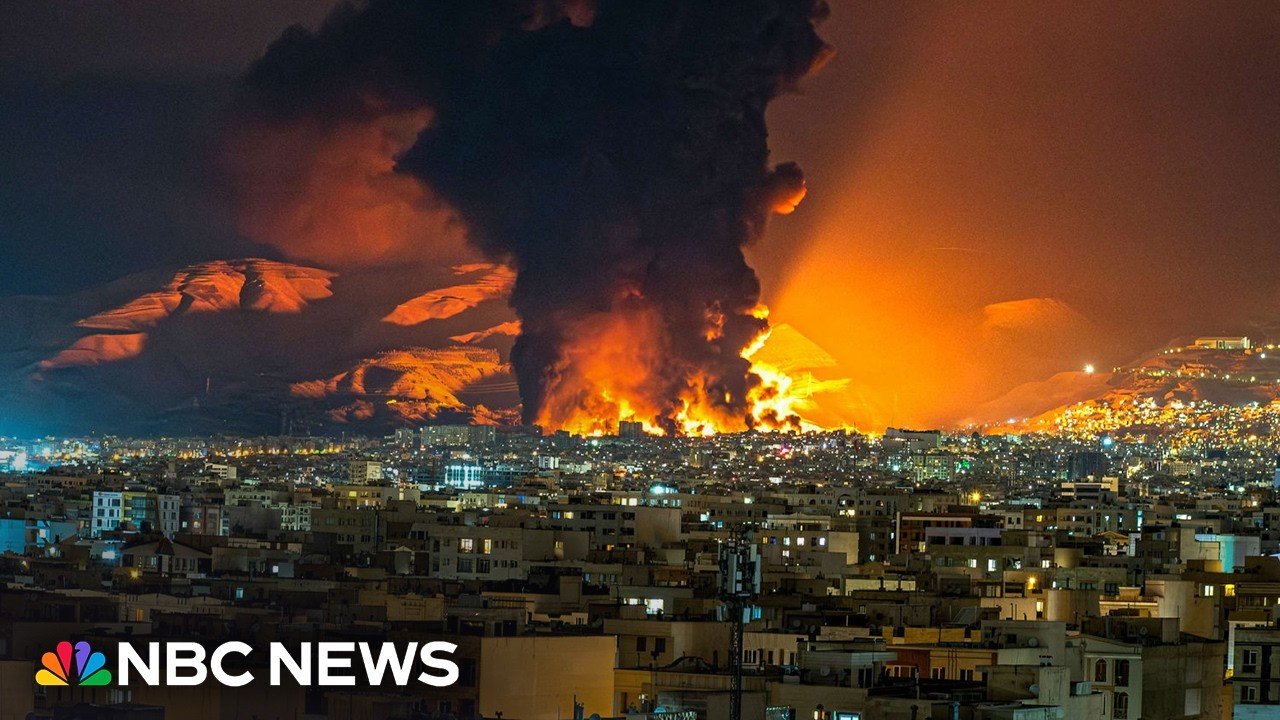
Tensions in the Middle East have reached a dangerous new level after the United States launched a massive wave of military strikes targeting Iranian military infrastructure. The attacks, ordered during the presidency of Donald Trump, mark one of the most significant escalations between Washington and Tehran in recent years. The strikes were described by U.S. officials as part of a broader effort to weaken Iran’s military capabilities and stop what Washington claims are threats coming from Tehran’s nuclear and missile programs.
According to military officials, the strikes were carried out using a combination of advanced fighter jets, naval forces, and precision-guided missiles. The United States reportedly targeted air defense systems, missile launch facilities, and command centers believed to be linked to Iran’s military operations. The wave of attacks was coordinated with allied forces in the region and was intended to send a powerful message to the Iranian government.
Trump Issues a Strong Warning to Tehran
Following the strikes, President Donald Trump delivered a strong warning to Iran, signaling that the United States was prepared to take even more aggressive action if Tehran did not change its course. Trump stated that the military operation demonstrated America’s readiness to defend its interests and its allies in the region. The president also warned that if Iran continued its current policies, future attacks could be even more devastating. He emphasized that the United States had deployed a powerful naval fleet and additional military assets to the region, making it clear that Washington was fully prepared for further escalation if necessary.
Trump’s message was aimed at pressuring Iran to return to negotiations regarding its nuclear program and regional activities. U.S. officials have repeatedly expressed concern that Iran could move closer to developing nuclear weapons, something Washington insists it will not allow.
Massive Military Deployment in the Region
The strike campaign comes after the United States carried out one of its largest military buildups in the Middle East in decades. Aircraft carriers, missile defense systems, and advanced fighter jets were deployed across the region in preparation for possible conflict with Iran. This buildup included multiple carrier strike groups, strategic bombers, and surveillance aircraft. The move was designed to give the United States the capability to launch rapid strikes and respond to any Iranian retaliation. Military analysts say the deployment reflects how seriously Washington views the threat posed by Iran’s military and nuclear ambitions.
American commanders also confirmed that the strikes were part of a broader campaign targeting hundreds of Iranian military sites. Some reports suggest that thousands of targets have been hit since the beginning of the operation, demonstrating the scale and intensity of the military campaign.
Iran’s Response and Regional Fallout
Iran has strongly condemned the attacks, calling them an act of aggression and warning that it will defend itself against any foreign military action. Iranian officials stated that the country’s armed forces are ready to respond with full strength if the conflict continues.
The strikes have also raised fears of a wider regional war. Several countries in the Middle East are closely watching the situation, as any escalation between the United States and Iran could quickly spread across the region. Iran has powerful allies and proxy groups in countries such as Iraq, Syria, and Lebanon, and these groups could potentially become involved if the conflict intensifies.
Security experts warn that the situation could lead to missile attacks, drone strikes, or naval confrontations in key strategic areas like the Persian Gulf. Such developments could disrupt global oil supplies and create serious economic consequences around the world.
Concerns Over Civilian Casualties
While the United States insists that the strikes were carefully targeted at military facilities, the conflict has also raised concerns about civilian casualties. Reports indicate that some attacks may have caused unintended damage to civilian infrastructure, which has sparked criticism from humanitarian organizations and political leaders.
In one controversial incident, a missile strike reportedly hit a location near a school, resulting in a large number of civilian deaths. Investigations are ongoing, and officials have stated that the situation is being reviewed to determine what went wrong. The incident has added another layer of complexity to an already tense conflict and could increase international pressure on the United States.
Fear of Iranian Retaliation
As the conflict continues, intelligence agencies in the United States have warned about the possibility of Iranian retaliation. Reports suggest that Iran could attempt cyberattacks, drone strikes, or operations through allied groups targeting American interests in the region.
U.S. authorities have also taken steps to increase security at home, particularly in major cities and critical infrastructure locations. Officials believe that while a large-scale attack inside the United States is unlikely, Iran or its supporters could attempt limited operations as a form of retaliation.
Global Reactions to the Escalation
The international community has reacted with concern to the escalating tensions. Several world leaders have called for restraint and urged both sides to return to diplomacy before the situation spirals out of control. European countries have expressed fears that a prolonged conflict could destabilize the Middle East and trigger another major refugee crisis. Meanwhile, global markets have also reacted nervously, with oil prices fluctuating as investors worry about disruptions in one of the world’s most important energy regions.
Diplomatic efforts are underway behind the scenes, with some nations attempting to mediate between Washington and Tehran. However, with military forces already engaged and both sides exchanging threats, finding a peaceful resolution may prove difficult.
The Future of the Conflict
The coming weeks will likely determine whether the crisis escalates into a larger war or moves toward negotiation. The United States has made it clear that it is prepared to continue military operations if necessary, while Iran insists it will not back down under pressure.
For now, the region remains on edge. With powerful militaries facing each other and tensions running high, even a small incident could trigger a much larger confrontation. The world is watching closely as the United States and Iran navigate one of the most dangerous moments in their long and complicated relationship. If diplomatic solutions fail, analysts warn that the conflict could reshape the balance of power in the Middle East and have lasting consequences for global security.