Introduction
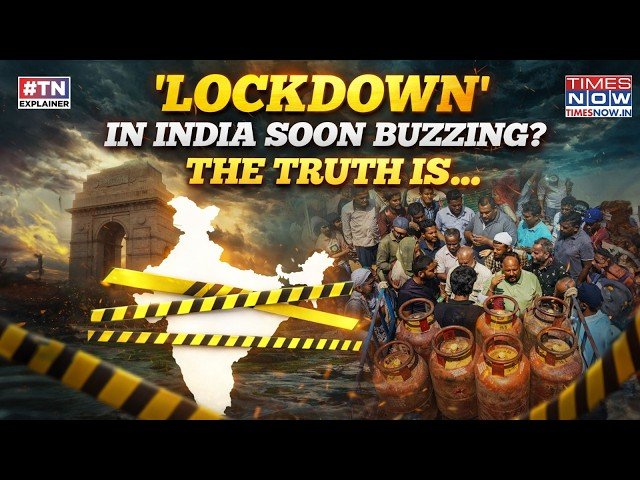
In recent days, speculation about a possible lockdown in India has resurfaced following Prime Minister Narendra Modi’s remarks on the ongoing Iran-related geopolitical crisis. His speech, which referenced the COVID-19 period, has triggered widespread debate, चिंता, and confusion among citizens. Many people have begun questioning whether India could once again face restrictions similar to those seen during the pandemic.
However, a closer look at the Prime Minister’s statements, the geopolitical situation, and official clarifications suggests that the reality may be quite different from what social media rumors indicate.
The Context: Rising Tensions in West Asia
The backdrop to this speculation is the escalating conflict in West Asia, particularly involving Iran, the United States, and Israel. This conflict has raised global concerns due to its potential impact on energy supplies, trade routes, and economic stability.
Prime Minister Modi has been actively engaged in diplomatic efforts, speaking with international leaders and emphasizing the need for peace and stability. He has expressed “deep concern” over the situation, highlighting risks to global energy flows and the safety of Indian citizens abroad.
India, being heavily dependent on energy imports—especially through critical routes like the Strait of Hormuz is particularly vulnerable to disruptions caused by such conflicts.
What Did PM Modi Actually Say?
During his recent address, PM Modi urged citizens to remain alert, prepared, and united in the face of global uncertainty. He drew a comparison with the COVID-19 pandemic, reminding people how India had collectively dealt with a major crisis.
This reference to COVID-19 appears to be the main reason behind the sudden spike in lockdown-related speculation. For many, the memory of the nationwide lockdown announced in 2020 is still vivid, making any such comparison emotionally significant.
However, it is important to note that Modi’s message was centered on preparedness, not restrictions.
The Role of Social Media in Fueling Speculation
In today’s digital age, even a single statement can quickly spiral into widespread speculation. Clips and excerpts from the Prime Minister’s speech began circulating online, often without full context. This led to assumptions that the government might be preparing for drastic measures, including a lockdown. Such reactions are not unusual. During uncertain times, people tend to interpret cautionary statements as warning signs of impending action. The mention of COVID-19 further amplified these fears, given the scale and impact of the previous lockdown.
However, misinformation and selective interpretation have played a significant role in escalating these concerns.
Government’s Clear Message: No Need to Panic
Amid growing anxiety, the government has clearly urged citizens not to panic or believe in rumors. PM Modi himself emphasized the importance of relying on verified information and avoiding misinformation.
He reassured the public that India is prepared to handle the situation and that all decisions will be guided by national interest. in fact, he explicitly advised people not to pay attention to rumors and stressed that the government is working proactively to ensure stability.
These statements strongly indicate that there is no immediate plan for a lockdown.
Why the COVID Comparison Was Made
The reference to COVID-19 should be understood in a broader context. The pandemic was one of the most challenging periods in modern history, requiring unity, discipline, and resilience.
By invoking that experience, PM Modi was likely emphasizing the importance of preparedness and collective action in the face of another global crisis—not suggesting that similar restrictions would be imposed.
The current situation, unlike COVID-19, is not a health emergency but a geopolitical and economic challenge. While it may affect fuel prices, supply chains, and inflation, it does not inherently require movement restrictions or lockdown measures.
Possible Impact of the Iran Crisis on India
While a lockdown may not be on the horizon, the Iran crisis could still have significant implications for India:
Energy Supply Concerns
India imports a large portion of its oil and gas, much of which passes through sensitive regions affected by the conflict. Any disruption could lead to price hikes or shortages.
Economic Pressure
Rising fuel costs can increase inflation, affecting everything from transportation to food prices.
Global Trade Disruptions
Shipping routes may become unstable, impacting imports and exports.
Safety of Indians Abroad
The government has already highlighted concerns about the safety of Indian nationals in the region.
These are serious challenges, but they are fundamentally different from the conditions that led to a nationwide lockdown during COVID-19.
Political Reactions and Public Debate
The ongoing crisis has also triggered political debates within India. Opposition parties have questioned the government’s handling of foreign policy and demanded greater clarity on India’s stance.
At the same time, the government has accused critics of spreading fear and misinformation during a sensitive period.
This political exchange has further fueled public discussion, sometimes adding to confusion rather than clarity.
Lessons from the Past
The COVID-19 pandemic taught India several important lessons about crisis management, public communication, and resilience. The government’s current approach appears to reflect those lessons:
Emphasizing preparedness rather than panic
Encouraging unity and cooperation
Maintaining transparent communication
Avoiding sudden or extreme measures unless absolutely necessary
These lessons suggest that any future response to crises will likely be more measured and targeted.
Conclusion
The speculation about a possible lockdown in India, triggered by PM Modi’s Iran crisis speech, appears to be largely driven by misunderstanding and misinformation.
While the Prime Minister did reference COVID-19, the context was one of preparedness and unity—not an indication of imminent restrictions. Official statements have consistently reassured the public that there is no need to panic and that the government is fully prepared to manage the situation.
The Iran conflict does pose real challenges for India, particularly in terms of energy security and economic stability. However, these challenges are unlikely to require the kind of nationwide lockdown seen during the pandemic.
For now, the focus remains on staying informed, avoiding rumors, and trusting verified sources. In times of uncertainty, clarity and calm are far more valuable than speculation.