Introduction
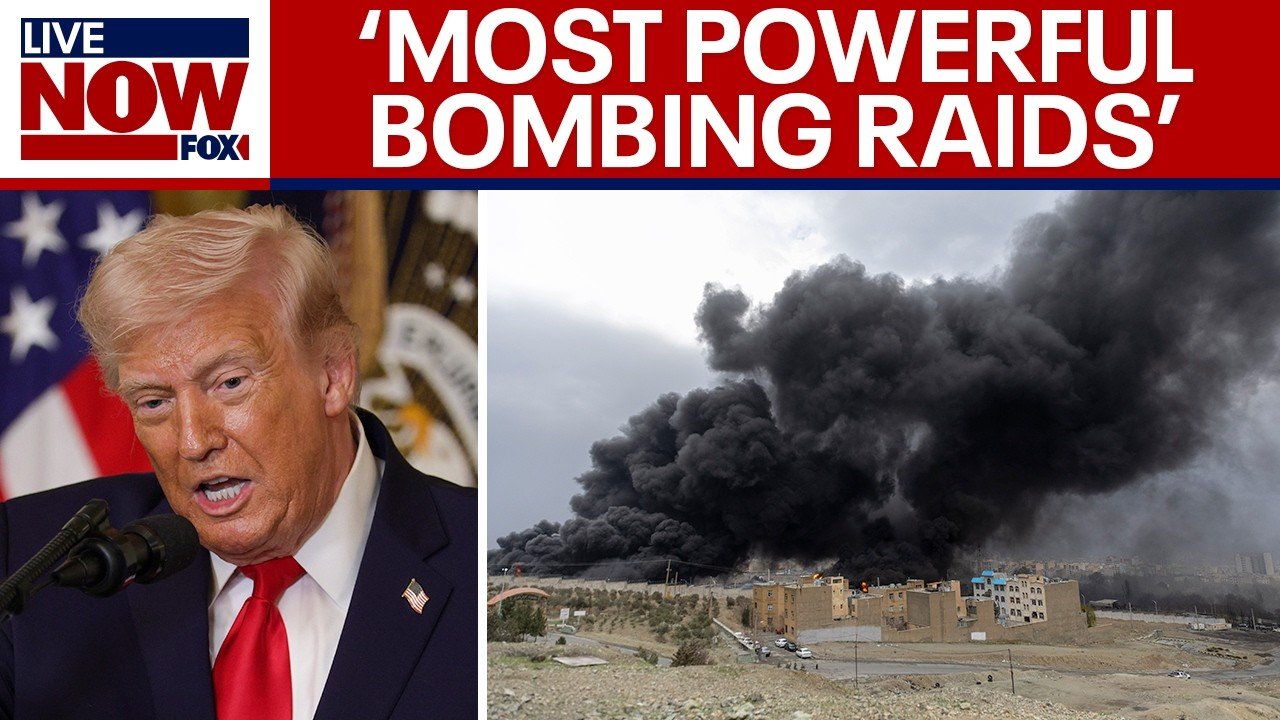
Tensions in the Middle East escalated dramatically after the United States launched a major bombing raid on Iran’s strategic Kharg Island. The attack, ordered by U.S. President Donald Trump, targeted multiple Iranian military installations on the island, which serves as a crucial hub for Iran’s oil exports. After the operation, Trump claimed that American forces had “totally obliterated” every military target on the island. The strike represents one of the most serious military confrontations between the United States and Iran in recent years and has raised fears of wider regional conflict.
Strategic Importance of Kharg Island
Kharg Island is one of Iran’s most strategically important locations. Situated in the Persian Gulf, the island functions as Iran’s primary oil export terminal and plays a critical role in the country’s energy industry. Nearly the majority of Iran’s crude oil exports are processed and shipped through this island, making it a vital asset for the Iranian economy and global energy markets.
Because of its strategic value, Kharg Island has long been considered a sensitive military and economic target. In addition to oil infrastructure, the island hosts military facilities, including missile depots, naval installations, and storage sites used by Iran’s armed forces. This combination of economic and military importance made it a focal point in the escalating confrontation between Washington and Tehran.
The U.S. Military Operation
According to U.S. officials, the bombing raid was carried out by American forces under the direction of U.S. Central Command. The operation involved precision strikes targeting dozens of military facilities across the island. Reports indicate that approximately ninety Iranian military targets were struck during the raid.
President Trump described the operation as one of the most powerful bombing campaigns conducted in the region in recent history. He claimed that every military installation on Kharg Island had been destroyed during the attack. Satellite imagery and early assessments suggested that missile storage bunkers, naval facilities, and weapons depots were among the primary targets of the strikes.
Interestingly, the United States reportedly avoided targeting the island’s oil infrastructure. According to officials, the decision was made deliberately in order to prevent a major disruption to global energy markets and to limit economic damage to civilian infrastructure.
Trump’s Statement and Strategic Messaging
Following the operation, President Trump announced the success of the mission through public statements and social media. He emphasized that American weapons had completely destroyed the Iranian military presence on the island.
Trump also issued a warning to Iran, stating that while the oil infrastructure on Kharg Island had been spared, it could become a target if Iran attempted to interfere with international shipping routes. This message was widely interpreted as a warning related to the Strait of Hormuz, one of the world’s most important maritime trade corridors.
The Strait of Hormuz is a narrow passage through which a significant portion of the world’s oil supply passes. Any disruption to shipping in this area could cause major instability in global energy markets and potentially trigger an international crisis.
Iran’s Reaction and Threats of Retaliation
Iran strongly condemned the U.S. bombing raid and warned that it would respond to what it described as an act of aggression. Iranian officials stated that attacks on their territory would not go unanswered and that American military bases in the region could become targets if the conflict escalated further.
Tehran also warned that continued attacks on its infrastructure could lead to severe consequences for global oil supply routes. Iranian leaders hinted that they might consider measures that could disrupt the flow of oil through the Strait of Hormuz if hostilities continued. Such a move would have significant global economic implications, as many countries depend heavily on oil shipments passing through this vital waterway.
Rising Regional Tensions
The bombing raid has intensified fears that the conflict between the United States and Iran could expand into a larger regional war. Several Middle Eastern countries host American military bases, and these facilities could potentially become targets in the event of Iranian retaliation.
The conflict has already caused increased military deployments across the region. Reports suggest that additional U.S. forces and naval assets have been sent to the Persian Gulf in order to strengthen security and deter further attacks.
Meanwhile, international leaders have urged both sides to avoid further escalation and to seek diplomatic solutions. Many countries are concerned that prolonged conflict in the region could destabilize global energy supplies and threaten international security.
Impact on Global Energy Markets
Because Kharg Island is such a critical oil export hub, any military action there immediately attracts global attention. Energy markets tend to react quickly to geopolitical tensions in the Persian Gulf, particularly when they involve major oil-producing countries. Even though the U.S. strike reportedly avoided oil infrastructure, the possibility of further attacks has already created uncertainty in the energy market. Analysts warn that continued conflict could lead to increased oil prices, supply disruptions, and economic instability in many parts of the world.
Countries that rely heavily on imported oil are closely monitoring developments in the region, as even limited disruptions in the Strait of Hormuz could have significant consequences for global trade.
International Reactions
Governments around the world have expressed concern about the escalating situation. Several countries have called for restraint and diplomatic engagement to prevent the conflict from spiraling out of control.
European and Asian nations, many of which depend on Middle Eastern oil, are particularly worried about the potential impact on energy supplies and global economic stability. Diplomatic efforts are likely to intensify in the coming weeks as international organizations attempt to reduce tensions between Washington and Tehran. At the same time, military analysts are closely studying the operation itself, noting that the strike demonstrated the advanced capabilities of modern precision warfare.
Conclusion
The U.S. bombing raid on Iran’s Kharg Island marks a dramatic escalation in tensions between the two nations. While President Donald Trump declared that American forces had successfully destroyed all military targets on the island, the long-term consequences of the attack remain uncertain.
Iran’s threats of retaliation, combined with the strategic importance of the Persian Gulf, mean that the situation remains highly volatile. The world is now watching closely to see whether the conflict will escalate further or whether diplomatic efforts can prevent a wider war. What is clear, however, is that Kharg Island has become a critical flashpoint in one of the most dangerous geopolitical confrontations of the modern era.