Introduction
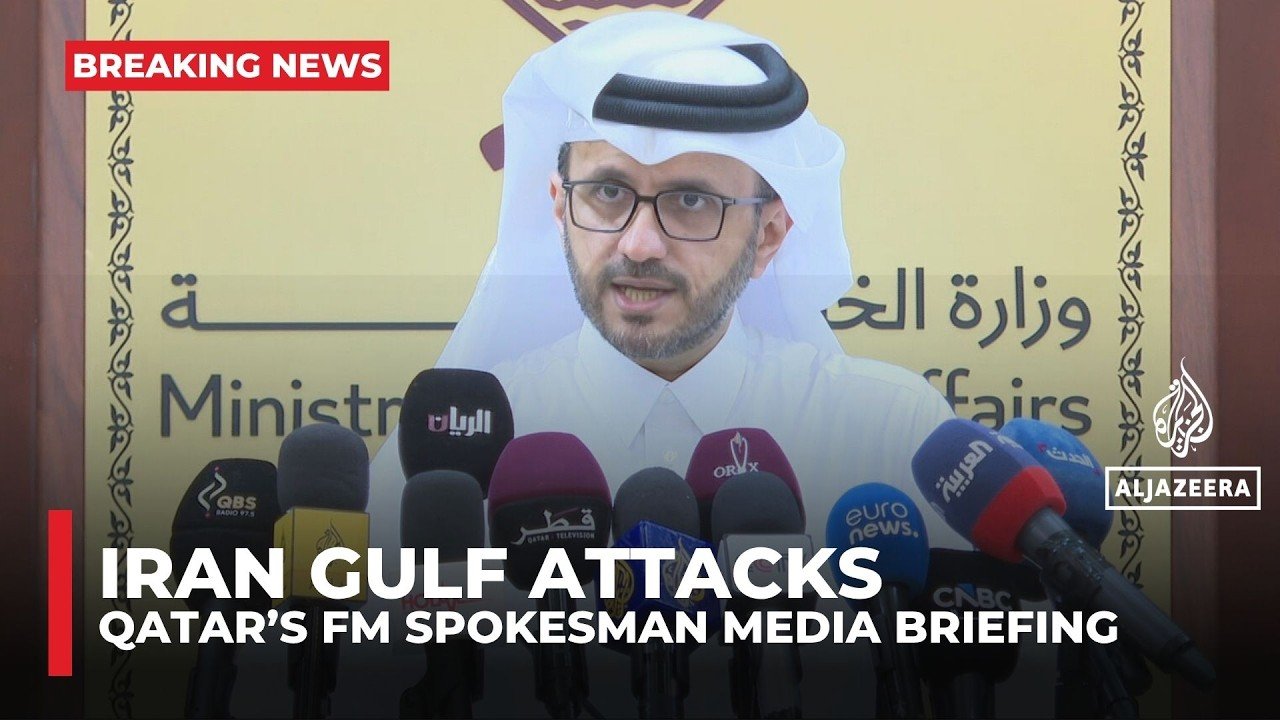
As tensions escalate in the Middle East, the ongoing conflict involving the United States, Israel, and Iran has raised serious concerns about regional and global stability. Amid missile strikes, retaliatory attacks, and growing uncertainty, Qatar has emerged as a strong voice advocating for peace through diplomacy. The country’s foreign ministry spokesman has emphasized that dialogue, not war, is the only sustainable path forward.
Qatar’s stance reflects a broader concern shared by many nations: that continued military escalation could spiral into a much larger and uncontrollable conflict. With global energy markets under strain and civilian lives at risk, the urgency for diplomatic intervention has never been greater.
Rising Tensions and Escalation
The conflict has intensified significantly in recent weeks, with both sides engaging in aggressive military actions. Iran has launched missile and drone attacks targeting Israel and several Gulf nations, while Israel has carried out extensive strikes on Iranian positions and allied groups. These developments have resulted in widespread destruction and casualties, deepening fears of a prolonged war.
The United States, closely aligned with Israel, has also played a critical role in the conflict. While Washington has hinted at possible negotiations, there remains a lack of clarity regarding the progress of such talks. Iran, on the other hand, has denied engaging in any formal dialogue, highlighting the deep mistrust between the parties.
This volatile environment has created a dangerous situation where any miscalculation could lead to further escalation, potentially drawing more countries into the conflict.
Qatar’s Call for Diplomacy
Against this backdrop, Qatar has consistently emphasized the importance of diplomacy. The country’s foreign ministry has reiterated that it supports all efforts—both formal and informal—to bring an end to the conflict through peaceful means. Qatar’s leadership has been actively engaging with key stakeholders, including the United States and regional powers, to encourage dialogue. The message from Doha is clear: military solutions will only deepen the crisis, while diplomacy offers a path toward stability and resolution.
Historically, Qatar has played the role of a mediator in several international conflicts. Its ability to maintain communication channels with multiple parties makes it uniquely positioned to facilitate negotiations in complex geopolitical situations like this one.
The Role of Regional Mediators
Qatar is not alone in pushing for peace. Countries such as Pakistan, Turkey, Egypt, and Oman have also stepped forward to mediate between the conflicting parties. These nations are working behind the scenes to create opportunities for dialogue and reduce tensions. However, the path to negotiation is far from straightforward. Iran has reportedly set significant conditions for any potential agreement, while skepticism remains high among Israeli officials regarding Tehran’s willingness to compromise. This lack of trust continues to hinder meaningful progress.
Despite these challenges, the involvement of multiple mediators underscores the global importance of resolving the conflict through diplomatic means.
Risks of Continued Conflict
The consequences of prolonged conflict extend far beyond the immediate region. One of the most significant concerns is the impact on global energy supplies. The Strait of Hormuz, a critical route for oil shipments, remains under threat, raising fears of disruptions that could affect economies worldwide.
Additionally, the humanitarian cost of the conflict is mounting. Civilian casualties, displacement, and infrastructure damage are becoming increasingly severe, highlighting the urgent need for a ceasefire.
Qatar has warned that unchecked escalation could lead to a broader regional war, involving multiple countries and further destabilizing the Middle East.
Challenges to Diplomatic Efforts
While the call for diplomacy is strong, several obstacles stand in the way. One of the primary challenges is the deep-rooted mistrust between the United States and Iran. Years of political tension, sanctions, and military confrontations have created an environment where negotiations are difficult to initiate and sustain.
Moreover, conflicting narratives and public statements from different leaders have added to the confusion. While some officials claim progress in talks, others deny that any negotiations are taking place. This lack of transparency complicates efforts to build momentum toward a peaceful resolution.
Another significant challenge is the ongoing military activity. As long as attacks continue, it becomes increasingly difficult to create the conditions necessary for meaningful dialogue.
Why Diplomacy Remains the Only Viable Solution
Despite these challenges, diplomacy remains the most viable path to ending the conflict. Military action may achieve short-term objectives, but it often leads to long-term instability and further violence. Diplomatic solutions, on the other hand, offer the possibility of addressing underlying issues and building a framework for lasting peace. This includes agreements on security, economic cooperation, and regional stability.
Qatar’s position aligns with this perspective. By advocating for dialogue and negotiation, it is emphasizing the need for a comprehensive approach that goes beyond immediate ceasefire arrangements.
The Way Forward
For diplomacy to succeed, several steps need to be taken. First, all parties must commit to reducing hostilities and creating space for Temporary ceasefires or pauses in military activity could serve as a starting point for negotiations.
Second, international support for mediation efforts must be strengthened. The involvement of neutral parties like Qatar can help bridge gaps and build trust between conflicting sides.
Finally, there needs to be a willingness from all stakeholders to engage in constructive dialogue. Without this commitment, even the most well-intentioned diplomatic efforts are unlikely to succeed.
Conclusion
The ongoing US-Israel conflict with Iran represents one of the most serious geopolitical crises in recent times. As violence continues and tensions rise, the need for a peaceful resolution becomes increasingly urgent. Qatar’s call for diplomacy serves as a reminder that war is not the only option. Through dialogue, negotiation, and cooperation, it is possible to find a path toward stability and peace.
While the road ahead is challenging, the alternative—continued conflict and escalation—is far more dangerous. In this critical moment, the world must heed Qatar’s message and prioritize diplomacy as the key to ending the war.