A Moment in India’s Energy Landscape
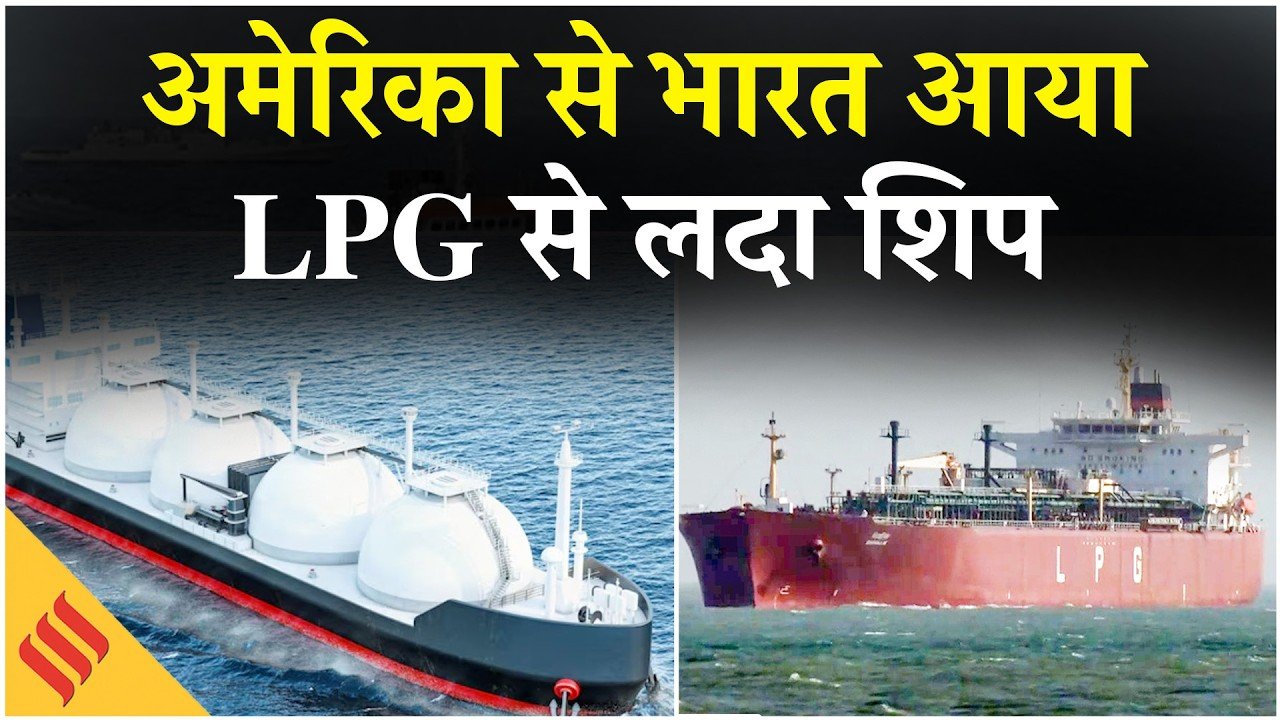
In a significant development for India’s energy security, the LPG carrier Pyxis Pioneer has successfully docked at the New Mangalore Port in Karnataka, carrying a large shipment of liquefied petroleum gas (LPG) from Texas, United States. The arrival comes at a time when global energy supply chains are under immense pressure due to the ongoing Iran-Israel conflict.
The docking of this vessel is more than just a routine trade event. It symbolizes India’s strategic shift toward diversifying its energy imports, especially as traditional supply routes from the Middle East face severe disruptions. With tensions escalating in West Asia, shipments like these are becoming increasingly critical for maintaining stability in domestic fuel supply.
The Journey from Texas to Mangaluru
The Pyxis Pioneer, a Singapore-flagged LPG tanker, undertook a long transcontinental journey from the energy hubs of Texas to India’s western coastline. Its arrival at Mangaluru highlights the growing trade relationship between India and the United States in the energy sector.
This shipment represents a logistical achievement as well, considering the current global maritime challenges. Shipping routes have become increasingly uncertain due to geopolitical tensions, particularly around key chokepoints like the Strait of Hormuz. Despite these risks, the successful delivery of LPG from the US demonstrates the resilience of global trade networks and India’s ability to adapt to evolving circumstances.
Iran-Israel Conflict Disrupts Traditional Supply Chains
India has long relied on the Middle East for its LPG needs, with nearly 90 percent of imports coming from the region. However, the ongoing conflict involving Iran has severely disrupted these supply lines.
Shipping traffic through the Strait of Hormuz, a crucial route for global energy transportation, has slowed dramatically. Reports indicate that multiple Indian-bound tankers have been delayed or stranded due to restrictions and security concerns in the region. s a result, India has been grappling with one of its most significant LPG supply challenges in recent years. Consumption levels have dropped, and the government has been forced to prioritize domestic cooking gas over industrial usage.
Impact Felt Across Indian Cities
The effects of the supply disruption have been felt across the country, includin in cities like Pune, where residents and businesses have experienced shortages and delays in LPG availability. Commercial establishments, particularly restaurants and small businesses, have been hit the hardest.
Authorities have taken steps to manage the situation, including restricting commercial LPG distribution and ensuring that household supply remains uninterrupted. In many areas, booking intervals for cylinders have been increased to prevent panic buying and hoarding.
In regions like Mangaluru, officials have reassured residents that domestic LPG supplies remain stable, even as commercial users face difficulties. These measures reflect the government’s focus on protecting essential consumption during a period of uncertainty.
A Strategic Shift Toward Energy Diversification
The arrival of the Pyxis Pioneer underscores a broader strategic shift in India’s energy policy. Faced with the vulnerabilities of over-reliance on a single region, India is actively exploring alternative sources for its fuel needs.
The United States, with its vast energy reserves, has emerged as a key partner in this effort. Imports of LPG and other energy products from the US are helping India reduce its dependence on Middle Eastern suppliers and enhance its energy security.
This diversification is not just a short-term response to the current crisis but part of a long-term strategy. By building a more resilient and flexible supply network, India aims to safeguard itself against future disruptions caused by geopolitical tensions.
Economic and Strategic Implications
The shift toward alternative energy sources carries significant economic implications. While importing LPG from the US may involve higher transportation costs compared to Middle Eastern supplies, the benefits of supply stability and reduced geopolitical risk often outweigh the additional expenses.
Moreover, strengthening energy ties with the United States aligns with India’s broader geopolitical strategy. It reflects a growing partnership between the two countries in areas such as trade, defense, and energy cooperation. At the same time, the situation highlights the interconnected nature of global energy markets. Events in one part of the world can have far-reaching consequences, affecting prices, availability, and policy decisions across continents.
Challenges Ahead
Despite the successful arrival of the Pyxis Pioneer, challenges remain. The ongoing Iran-Israel conflict shows no immediate signs of de-escalation, and the situation in the Strait of Hormuz continues to be volatile. India will need to balance its immediate needs with long-term planning. This includes increasing domestic production, investing in alternative energy sources, and maintaining strategic reserves to cushion against future shocks.
Additionally, managing public perception and preventing panic buying will be crucial. Clear communication and efficient distribution systems can help ensure that supplies reach those who need them most without causing unnecessary anxiety.
A Timely Relief Amid Uncertainty
In the midst of a challenging energy landscape, the arrival of the Pyxis Pioneer offers a much-needed राहत for India. It demonstrates the country’s ability to navigate complex global परिस्थितियाँ and secure essential resources even in times of crisis.
For millions of households that rely on LPG for daily cooking, such shipments are vital. They not only ensure continuity of supply but also reinforce confidence in the system’s resilience.
Conclusion: Navigating a New Energy Reality
The docking of the Pyxis Pioneer at Mangaluru is a significant milestone in India’s ongoing efforts to adapt to a rapidly changing global environment. As geopolitical tensions continue to reshape energy markets, countries like India must remain agile and forward-thinking.This development serves as a reminder that energy security is not just about availability but also about strategy, diversification, and resilience. While the Iran-Israel conflict has exposed vulnerabilities in traditional supply chains, it has also accelerated the search for new solutions.
As India continues to expand its global partnerships and invest in alternative sources, it is better positioned to face future challenges. The journey of the Pyxis Pioneer from Texas to Mangaluru is not just a story of a single shipment, but a reflection of a larger transformation in how the world approaches energy in an uncertain era.