Introduction
The 2026 season of the Indian Premier League is shaping up to be one of the most intriguing editions in recent years, especially for Mumbai Indians. Known for their strong leadership core and championship pedigree, the franchise faces an unusual situation this time. Despite having players who have led their countries to victory in the ICC Men’s T20 World Cup, none of them are expected to captain the side this season. This leadership twist has sparked debate among fans and analysts alike, raising questions about team balance, strategy, and long-term vision.
Mumbai Indians have always been a team that thrives on structure, clarity, and well-defined roles. With a new leadership dynamic emerging, the challenge will be to maintain that identity while maximizing the potential of a star-studded squad.
The Leadership Conundrum
Having multiple T20 World Cup-winning captains in the squad is a luxury few franchises can boast. However, it also creates a selection dilemma. Leadership is not just about experience; it is about team dynamics, communication, and the ability to handle pressure situations within a franchise environment.
Mumbai Indians appear to be prioritizing continuity and dressing-room harmony over individual accolades. Instead of handing over the captaincy to a global star, the management is likely to stick with a leader who understands the franchise culture deeply. This decision reflects a long-term strategy rather than a short-term gamble.
Proposed Best XI for IPL 2026
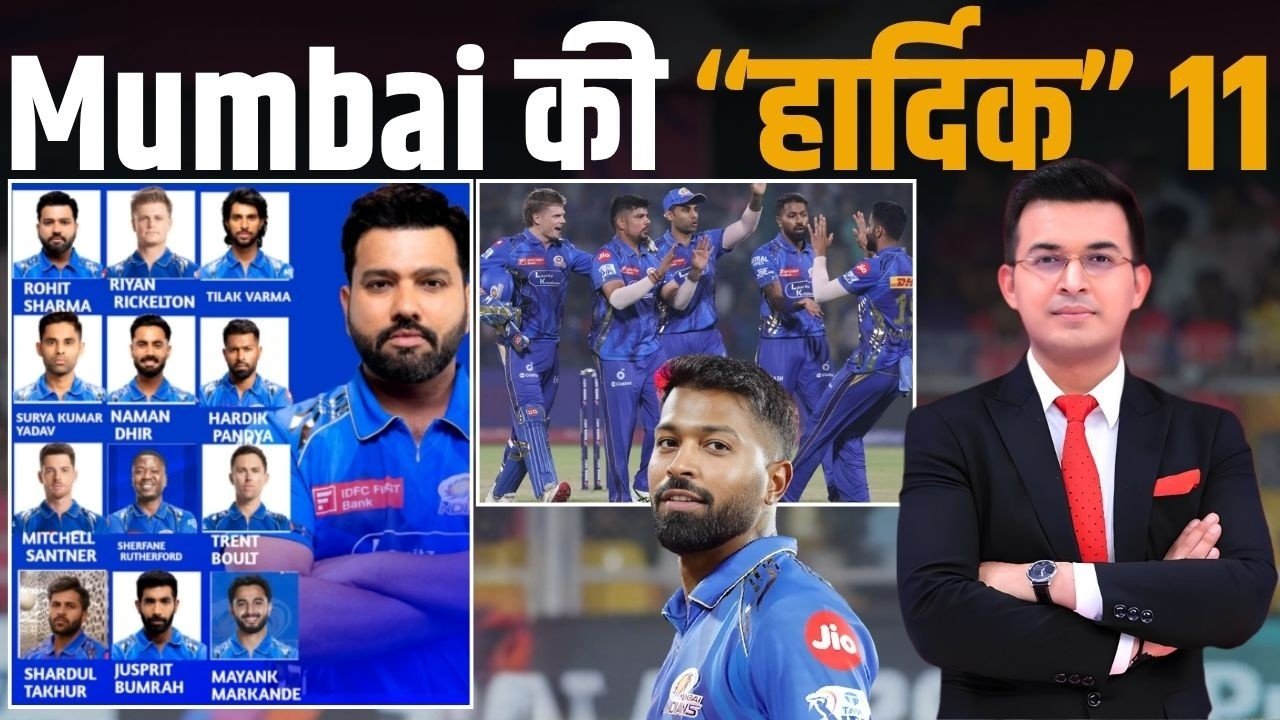
Here is a balanced and competitive playing XI that Mumbai Indians could field in IPL 2026:
- Rohit Sharma
- Ishan Kishan (Wicketkeeper)
- Suryakumar Yadav
- Tilak Varma
- Hardik Pandya (Captain)
- Tim David
- Cameron Green
- Jasprit Bumrah
- Piyush Chawla
- Jason Behrendorff
- Gerald Coetzee
This lineup combines experience, explosive batting, and a versatile bowling attack, making it a formidable unit on paper.
Top Order Stability
The presence of Rohit Sharma at the top provides stability and experience. Although he may not be leading the side, his tactical input and calm demeanor remain invaluable. Alongside him, Ishan Kishan offers aggression and the ability to take on bowlers in the powerplay.
The combination ensures a perfect blend of caution and aggression, setting a solid foundation for the middle order. Mumbai Indians have often relied on strong starts, and this duo is capable of delivering just that.
Middle Order Firepower
The middle order is where Mumbai Indians truly shine. Suryakumar Yadav, one of the most innovative T20 batters in the world, anchors the lineup with his 360-degree stroke play. His ability to accelerate in the middle overs makes him a crucial asset.
Young talents like Tilak Varma add depth and flexibility. Tilak’s composure under pressure and adaptability allow him to play multiple roles, whether stabilizing the innings or finishing strong.
At the helm is Hardik Pandya, who is expected to take on the captaincy role. His all-round abilities make him the backbone of the team, contributing with both bat and ball while leading from the front.
Finishing Strength and All-Round Options
Mumbai Indians have always valued strong finishers, and players like Tim David and Cameron Green fit perfectly into this philosophy. Their ability to clear boundaries at will makes them ideal for the death overs.
Tim David brings brute power, while Cameron Green offers a more balanced approach with both bat and ball. This dual-threat capability provides flexibility in team composition and allows the captain to adapt strategies based on match situations.
Bowling Attack: A Perfect Mix
The bowling unit is spearheaded by Jasprit Bumrah, one of the finest T20 bowlers in the world. His precision in death overs and ability to deliver under pressure make him indispensable. Supporting him are international pacers like Jason Behrendorff and Gerald Coetzee, who bring variety and pace to the attack. Their contrasting styles can trouble even the best batting lineups.
In the spin department, Piyush Chawla adds experience and control. His ability to pick crucial wickets in the middle overs complements the pace attack effectively.
Why Not a T20 World Cup Captain?
The decision to not appoint a T20 World Cup-winning captain as the leader may seem surprising at first glance. However, franchise cricket operates differently from international cricket. Team chemistry, familiarity with players, and alignment with the franchise’s philosophy often take precedence.
Mumbai Indians have historically backed players who understand their system. This approach has yielded multiple titles and established them as one of the most successful teams in IPL history. By continuing this trend, they aim to maintain consistency and avoid unnecessary disruptions.
Tactical Flexibility and Depth
One of the biggest strengths of this Mumbai Indians lineup is its depth. With multiple all-rounders and versatile players, the team can adapt to different conditions and opposition strategies. Whether it is chasing a big total or defending a modest score, the presence of experienced players across departments ensures that the team remains competitive in all scenarios. This flexibility could prove to be a decisive factor in a long tournament like the IPL.
Challenges Ahead
Despite the strong lineup, Mumbai Indians will face several challenges. Managing egos in a team filled with global stars is never easy. Additionally, the pressure of expectations can weigh heavily on both players and management.
Injuries, form slumps, and opposition analysis will also play a crucial role in determining the team’s success. The leadership group will need to stay proactive and make timely decisions to navigate these challenges.
Conclusion
The 2026 IPL season presents a unique scenario for Mumbai Indians, where leadership choices have taken an unconventional turn. By opting not to hand the captaincy to T20 World Cup-winning leaders, the franchise has signaled its commitment to stability and long-term planning. With a well-balanced squad, experienced players, and a clear vision, Mumbai Indians remain strong contenders for the title. The success of this approach will ultimately depend on how well the team gels together and executes its strategies on the field.
As the tournament unfolds, all eyes will be on Mumbai Indians to see whether this bold leadership decision pays off or becomes a talking point for future debates. One thing is certain: the journey promises to be as exciting as ever.