A Sudden Escalation in an Already Volatile Conflict
The Middle East has once again been thrust into intense turmoil as Iran launched a series of missile strikes targeting southern Israel, particularly the cities of Dimona and Arad. The attacks mark one of the most dramatic escalations in the ongoing confrontation between the two regional rivals, pushing tensions to a dangerous new level.
According to multiple reports, the strikes were part of a retaliatory move by Iran following alleged attacks on its nuclear facilities. The situation has rapidly evolved into a tit-for-tat cycle of aggression, with both sides signaling that they are prepared for prolonged confrontation. The latest developments have not only shaken Israel but have also raised alarm bells across the international community.
Dimona and Arad Under Fire
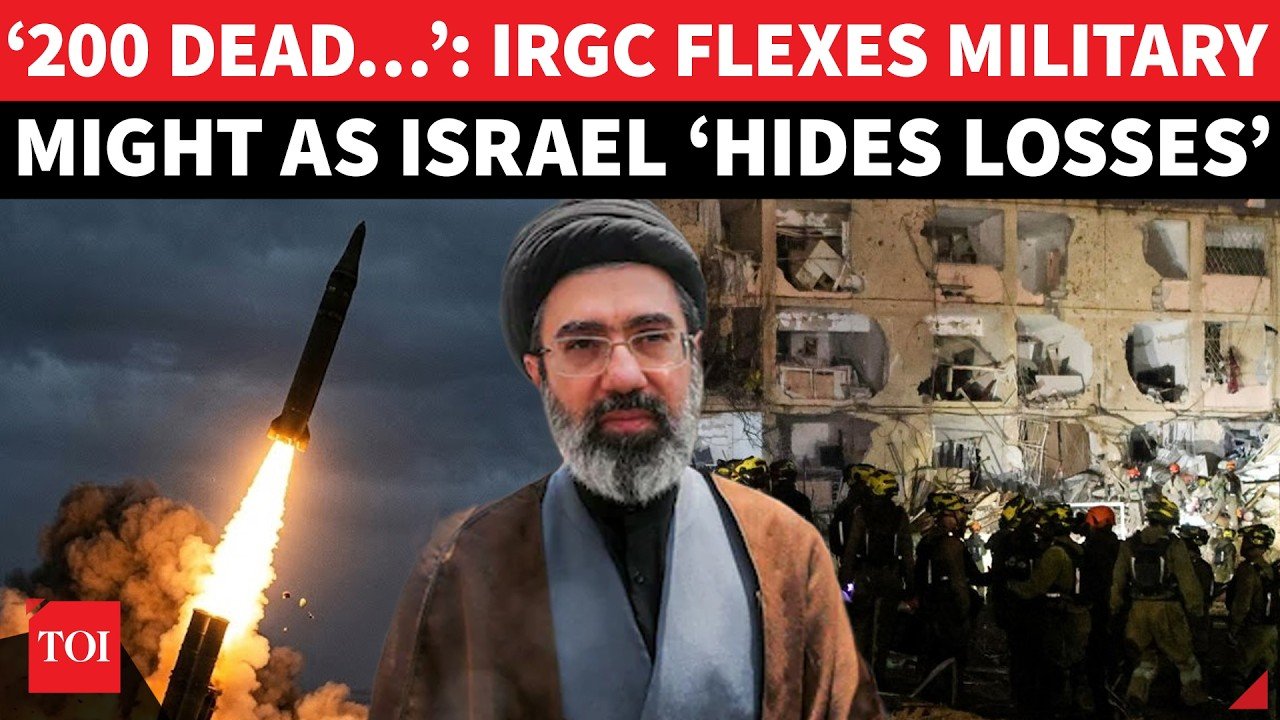
The missile strikes hit residential areas in Dimona and Arad, causing widespread destruction and panic among civilians. Fires erupted in multiple locations following the impacts, with emergency services scrambling to respond to the chaos. Buildings were damaged, and several areas were reduced to rubble, leaving residents trapped or injured.
Reports indicate that over 100 people were wounded in the attacks, including children, with some in critical condition. Hospitals in the region were overwhelmed as they treated casualties from what officials described as a “mass-casualty event.” The Guardian+1
In Arad, the damage was particularly severe, with entire residential blocks affected. In Dimona, concerns were heightened due to its proximity to Israel’s sensitive nuclear research facilities. Although authorities confirmed that there was no radiation leak or direct damage to the nuclear site, the mere proximity of the strikes added a layer of global चिंता and fear.
A Direct Message from Iran
Iran described the strikes as a direct response to earlier attacks on its nuclear infrastructure, particularly the Natanz facility. Tehran has repeatedly warned that any aggression against its strategic sites would be met with a strong and immediate response.
This latest offensive appears to reflect a shift in Iran’s military posture, demonstrating its willingness to target high-profile and sensitive areas inside Israel. Analysts suggest that the choice of Dimona was symbolic, given its association with Israel’s undeclared nuclear capabilities.
The strikes also highlight Iran’s growing missile capabilities, including the ability to penetrate advanced air defense systems. Reports suggest that at least some of the missiles were not intercepted, raising questions about the effectiveness of Israel’s defense shield in the face of evolving threats.
Israel’s Response and Strategic Silence
Israel’s leadership has reacted with a mix of defiance and caution. Prime Minister Benjamin Netanyahu described the situation as a “difficult evening” and vowed that Israel would continue its military operations. The Times of India
At the same time, there have been indications that Israeli authorities are carefully managing the flow of information. While official statements have acknowledged the attacks and casualties, some analysts believe that the full extent of the damage may not yet be publicly disclosed.
This perceived “strategic silence” is not unusual in times of conflict, especially when sensitive military or nuclear-related locations are involved. Governments often limit information to maintain public order and avoid giving adversaries strategic insights.
The Risk of a Wider War
The strikes on Dimona and Arad are not isolated incidents but part of a broader and intensifying conflict involving multiple actors. The ongoing confrontation has already spread beyond Israel and Iran, drawing in regional players and raising the specter of a wider war. There are growing concerns that proxy groups aligned with Iran could open additional fronts, further complicating the situation. At the same time, the involvement of global powers, including the United States, adds another layer of complexity to the conflict.
The potential for escalation is particularly alarming given the proximity of the strikes to nuclear-related infrastructure. Even though no damage has been reported, any future incident involving such facilities could have catastrophic consequences, not just for the region but for the world.
Civilian Toll and Humanitarian Concerns
As with most modern conflicts, civilians are bearing the brunt of the violence. Families in Dimona and Arad have been forced to flee their homes, while others remain trapped in areas affected by the strikes. Emergency responders have been working around the clock to rescue survivors and provide medical assistance. The psychological impact of the attacks is also significant. Sirens, explosions, and the constant threat of further strikes have created an atmosphere of fear and uncertainty. Schools have been closed, and daily life has been severely disrupted.
Humanitarian organizations have called for restraint, urging both sides to avoid actions that could lead to further civilian casualties. However, with tensions running high, such appeals have so far had limited effect.
Global Reactions and Diplomatic Pressure
The international community has reacted with and calls for de-escalation. Global leaders and organizations have urged both Iran and Israel to step back from the brink and engage in diplomatic efforts to resolve their differences. The United Nations’ nuclear watchdog has also emphasized the importance of protecting nuclear facilities from military actions, warning of the risks associated with such developments.
Despite these calls, the situation on the ground suggests that both sides are preparing for further confrontation. The cycle of attack and retaliation shows little sign of slowing down, raising fears of a prolonged and potentially devastating conflict.
Conclusion: A Region on the Edge
The missile strikes on Dimona and Arad represent a critical turning point in the ongoing Iran-Israel conflict. What began as a series of isolated incidents has now escalated into a direct and dangerous confrontation with far-reaching implications. As fires burn and tensions rise, the world watches closely, aware that the next move could determine the course of the conflict. Whether through military escalation or diplomatic intervention, the coming days will be crucial in shaping the future of the region.
For now, one thing is clear: the fragile balance in the Middle East has been shattered, and the path ahead remains uncertain.