Introduction
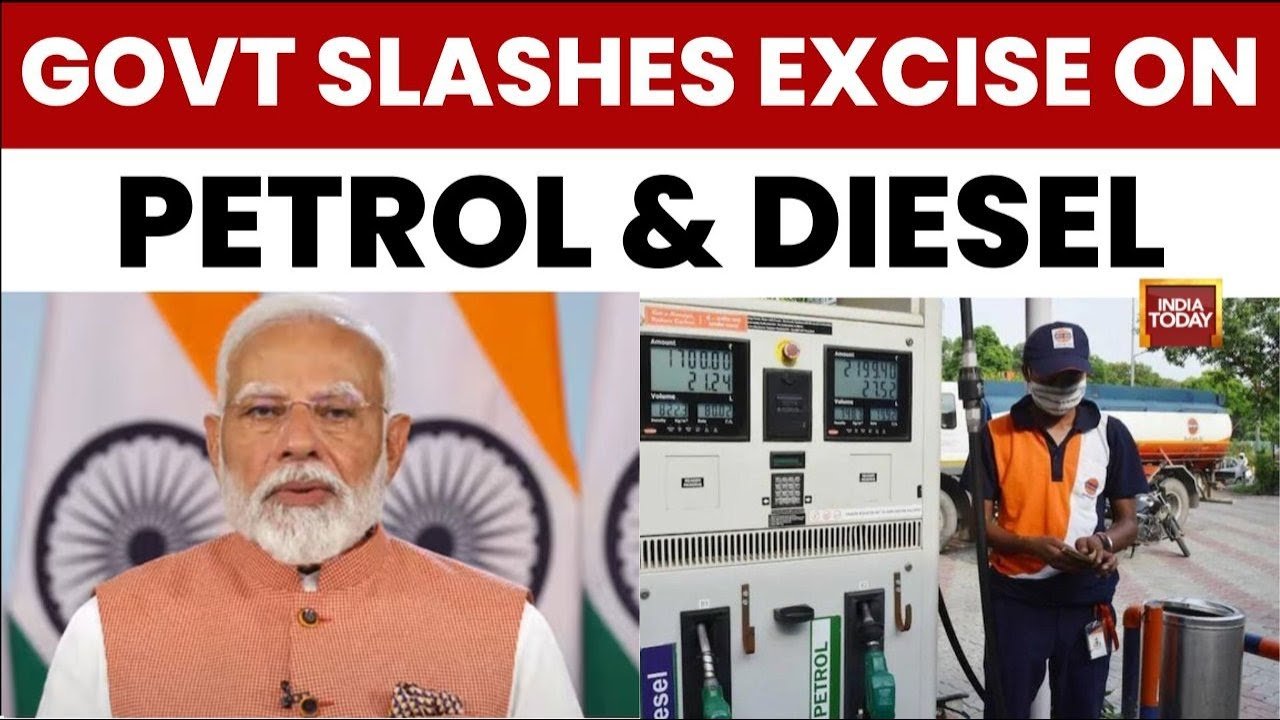
India has taken a decisive step to cushion its citizens and economy from the impact of rising global oil prices by reducing excise duties on petrol and diesel. This move comes at a time when international crude oil markets are witnessing significant volatility, driven by geopolitical tensions, supply disruptions, and fluctuating demand patterns. As fuel prices directly affect transportation, manufacturing, and daily living costs, the government’s decision is aimed at providing immediate relief while stabilizing inflationary pressures.
Understanding the Global Oil Crisis
The global oil market has been under strain due to a combination of factors. Ongoing geopolitical conflicts in key oil-producing regions have disrupted supply chains, while production cuts by major oil-exporting countries have further tightened availability. At the same time, recovering global economies have led to increased demand for energy, pushing crude oil prices upward.
For a country like India, which imports a large portion of its crude oil requirements, these developments translate into higher import bills and increased domestic fuel prices. The rising cost of crude oil not only impacts fuel prices but also has a cascading effect on the overall economy, influencing everything from food prices to industrial production costs.
The Government’s Decision to Cut Excise Duties
In response to these challenges, the Indian government has reduced excise duties on petrol and diesel. Excise duty is a central tax imposed on fuel, and any reduction directly lowers the retail price paid by consumers. By cutting these duties, the government aims to ease the financial burden on households and businesses.
This policy decision reflects a balancing act between maintaining government revenues and ensuring economic stability. While lower excise duties may reduce tax collections in the short term, the move is expected to stimulate economic activity by increasing consumer spending and reducing operational costs for industries.
Immediate Impact on Fuel Prices
The reduction in excise duties is expected to bring down petrol and diesel prices across the country. Although the exact decrease may vary depending on state-level taxes and local pricing structures, consumers are likely to experience noticeable relief at the fuel pump.
Lower fuel prices can have a positive ripple effect across various sectors. Transportation costs are likely to decrease, which can lead to lower prices for goods and services. This, in turn, can help control inflation and improve purchasing power for consumers.
Relief for Households and Businesses
For households, especially middle- and lower-income groups, rising fuel prices can significantly strain budgets. Daily commuting, cooking, and transportation expenses are directly affected by fuel costs. The government’s decision to cut excise duties offers some relief, helping families manage their expenses more effectively.
Businesses, particularly those in logistics, transportation, and manufacturing, also stand to benefit. Fuel is a major input cost for these sectors, and any reduction in prices can improve profit margins and competitiveness. Small and medium enterprises, which are often more vulnerable to cost fluctuations, may find this relief particularly beneficial.
Impact on Inflation and Economic Growth
Fuel prices are a key component of inflation. When fuel costs rise, the prices of goods and services tend to increase as well, leading to higher inflation rates. By reducing excise duties, the government aims to contain inflation and maintain price stability.
Lower inflation can have a positive impact on economic growth. It can boost consumer confidence, encourage spending, and support investment. Additionally, stable prices can create a more predictable environment for businesses, enabling them to plan and expand more effectively.
Fiscal Implications for the Government
While the excise duty cut provides relief to consumers, it also has implications for government finances. Fuel taxes are a significant source of revenue for the central government, and any reduction can lead to a decline in collections.
To manage this impact, the government may need to explore alternative revenue sources or adjust its expenditure priorities. However, policymakers often view such measures as necessary during times of economic stress, prioritizing overall economic stability over short-term fiscal gains.
Coordination with State Governments
Fuel prices in India are influenced not only by central excise duties but also by state-level taxes, such as value-added tax. For the full benefit of the excise duty cut to reach consumers, coordination between the central and state governments is essential.
Some states may choose to reduce their own taxes on fuel, amplifying the impact of the central government’s decision. Others may maintain existing tax rates due to fiscal constraints. The overall effect on fuel prices will therefore vary across different regions.
Long-Term Energy Strategy
The current situation highlights the importance of reducing dependence on imported crude oil. India has been actively pursuing alternative energy sources, including renewable energy, electric mobility, and biofuels, to enhance energy security.
Investments in solar, wind, and other renewable energy projects can help diversify the energy mix and reduce vulnerability to global oil price fluctuations. Similarly, promoting electric vehicles can decrease reliance on petrol and diesel, contributing to both economic and environmental sustainability.
Public and Market Reactions
The excise duty cut has generally been welcomed by the public and industry stakeholders. Consumers view it as a timely intervention that provides immediate financial relief, while businesses see it as a step that can help reduce operational costs.
Financial markets may also respond positively, as lower fuel prices can improve economic indicators and corporate performance. However, analysts will continue to monitor global oil trends and domestic policy responses to assess the long-term impact.
Challenges Ahead
Despite the relief provided by the excise duty cut, challenges remain. Global oil prices are influenced by factors beyond India’s control, and any further increase could offset the benefits of the tax reduction. Additionally, balancing fiscal stability with economic support will continue to be a key concern for policymakers.
There is also the question of sustainability. Repeated tax cuts may not be feasible in the long run, making it essential to focus on structural reforms and long-term solutions to address the underlying issues.
Conclusion
India’s decision to reduce excise duties on petrol and diesel is a significant step in addressing the challenges posed by rising global oil prices. By providing immediate relief to consumers and businesses, the move aims to stabilize the economy and control inflation. While the measure comes with fiscal trade-offs, it underscores the government’s commitment to supporting economic stability during uncertain times. As the global energy landscape continues to evolve, India’s approach will likely involve a combination of short-term interventions and long-term strategies to ensure sustainable growth and energy security.