Introduction
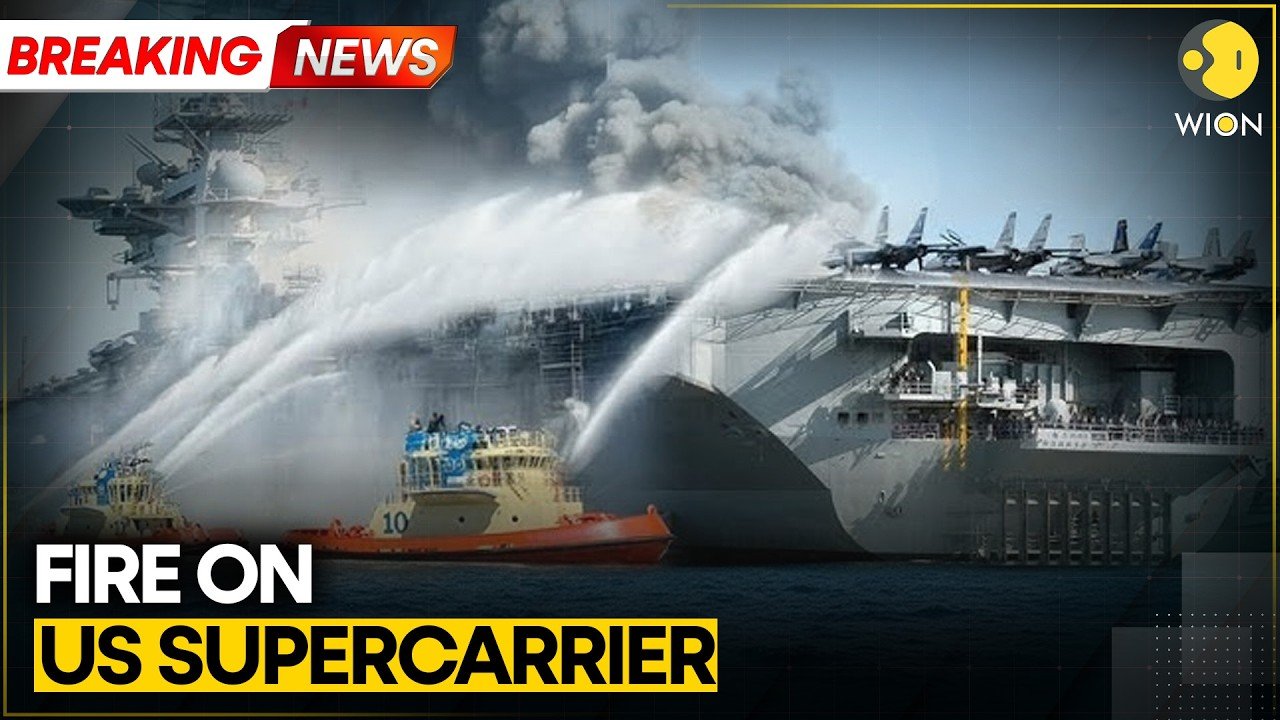
In the midst of escalating tensions between the United States and Iran, a sudden fire aboard the aircraft carrier USS Gerald R. Ford has drawn global attention. The incident occurred while the carrier was deployed in the Red Sea as part of ongoing military operations linked to the growing conflict between the two nations.
Although the blaze was quickly contained, the incident raised concerns about safety, operational readiness, and the immense pressure placed on naval forces during wartime deployments. With the Gerald R. Ford serving as one of the most advanced and strategically important ships in the U.S. Navy, any emergency aboard the vessel inevitably becomes a matter of international interest.
The Incident at Sea
The fire broke out on March 12, 2026, while the aircraft carrier was conducting operations in support of U.S. military actions against Iran. According to U.S. Navy officials, the blaze originated in one of the ship’s internal facilities, specifically in the main laundry area. The fire was non-combat related and was not the result of enemy action.
Despite the unexpected emergency, the crew reacted swiftly and efficiently. Firefighting teams aboard the carrier quickly moved to isolate and extinguish the flames before they could spread to other sections of the ship. Thanks to the rapid response, the situation was brought under control within a relatively short period of time.
However, the incident was not without consequences. Two sailors were injured during the fire and required medical treatment. Fortunately, officials confirmed that their injuries were not life-threatening and that both individuals were in stable condition.
The Role of USS Gerald R. Ford in the Conflict
The USS Gerald R. Ford is the lead ship of the Ford-class aircraft carriers and represents the most advanced carrier technology currently in service with the U.S. Navy. With a displacement of more than 100,000 tons and the ability to carry dozens of fighter aircraft, the vessel serves as a floating airbase capable of projecting military power across vast distances. Wikipedia
During the ongoing war involving the United States and Iran, the Gerald R. Ford has been deployed to the Middle East to support air operations and strengthen American naval presence in the region. The carrier’s air wing is capable of launching combat missions, surveillance flights, and defensive operations designed to counter Iranian threats in strategic waterways such as the Red Sea and the Strait of Hormuz.
The deployment is part of a broader military effort involving multiple aircraft carriers, warships, and allied forces operating throughout the region.
Escalating Tensions in the Region
The fire aboard the carrier comes at a time when the Middle East is experiencing one of its most volatile security situations in years. The ongoing conflict between the United States and Iran has involved missile strikes, drone attacks, and naval operations across several countries and strategic locations.
Reports indicate that both sides have conducted military actions targeting infrastructure, naval assets, and strategic facilities. In response to Iranian threats and attacks on shipping lanes, the United States has reinforced its military presence with additional naval and air assets. The deployment of powerful carrier strike groups, including the Gerald R. Ford, demonstrates the importance Washington places on maintaining control of vital maritime routes and protecting regional allies.
Crew Response and Damage Control
One of the most impressive aspects of the incident was the professionalism and preparedness of the ship’s crew. Aircraft carriers are equipped with highly trained firefighting teams capable of responding to emergencies at sea, where external help is often unavailable.
The sailors aboard the Gerald R. Ford immediately activated emergency procedures. Fire suppression systems were deployed, and specialized firefighting units worked together to prevent the flames from spreading through the ship’s internal compartments.
Officials later confirmed that the ship’s propulsion systems and other critical equipment were not damaged during the fire. As a result, the carrier remained fully operational and continued its mission without interruption.
Challenges of Extended Deployments
The incident also highlights the challenges faced by naval vessels operating far from home for extended periods of time. Modern aircraft carriers are incredibly complex machines that require constant maintenance and monitoring. The Gerald R. Ford has been deployed for months, supporting a variety of missions before eventually joining combat operations related to the Iran conflict. Extended deployments can place strain on both equipment and personnel, increasing the risk of technical issues or accidents.
Military analysts note that while incidents like onboard fires are rare, they are a known risk in large naval vessels where thousands of crew members live and work in confined spaces surrounded by heavy machinery and aviation fuel.
Strategic Importance of Aircraft Carriers
Aircraft carriers remain one of the most powerful tools of modern naval warfare. Their ability to deploy fighter jets, surveillance aircraft, and helicopters allows them to conduct operations anywhere in the world without relying on nearby air bases.
In the case of the United States, carriers like the USS Gerald R. Ford are central to maintaining military dominance at sea. Each carrier strike group typically includes guided-missile destroyers, cruisers, submarines, and support ships, creating a highly capable and flexible force.
During the current conflict, these strike groups provide air support, missile defense, intelligence gathering, and rapid response capabilities in a region where tensions can escalate rapidly.
Looking Ahead
Although the fire aboard the USS Gerald R. Ford was successfully contained and caused minimal disruption, it serves as a reminder of the dangers faced by sailors during wartime deployments. Even routine operations aboard a massive warship can quickly turn into emergencies that require rapid and coordinated responses.
For now, the carrier continues its mission in the region, contributing to U.S. military operations and maintaining a strong presence in one of the world’s most strategically important waterways. As the conflict with Iran continues to evolve, vessels like the Gerald R. Ford will remain at the center of international attention, symbolizing both the power and the challenges of modern naval warfare.