Introduction
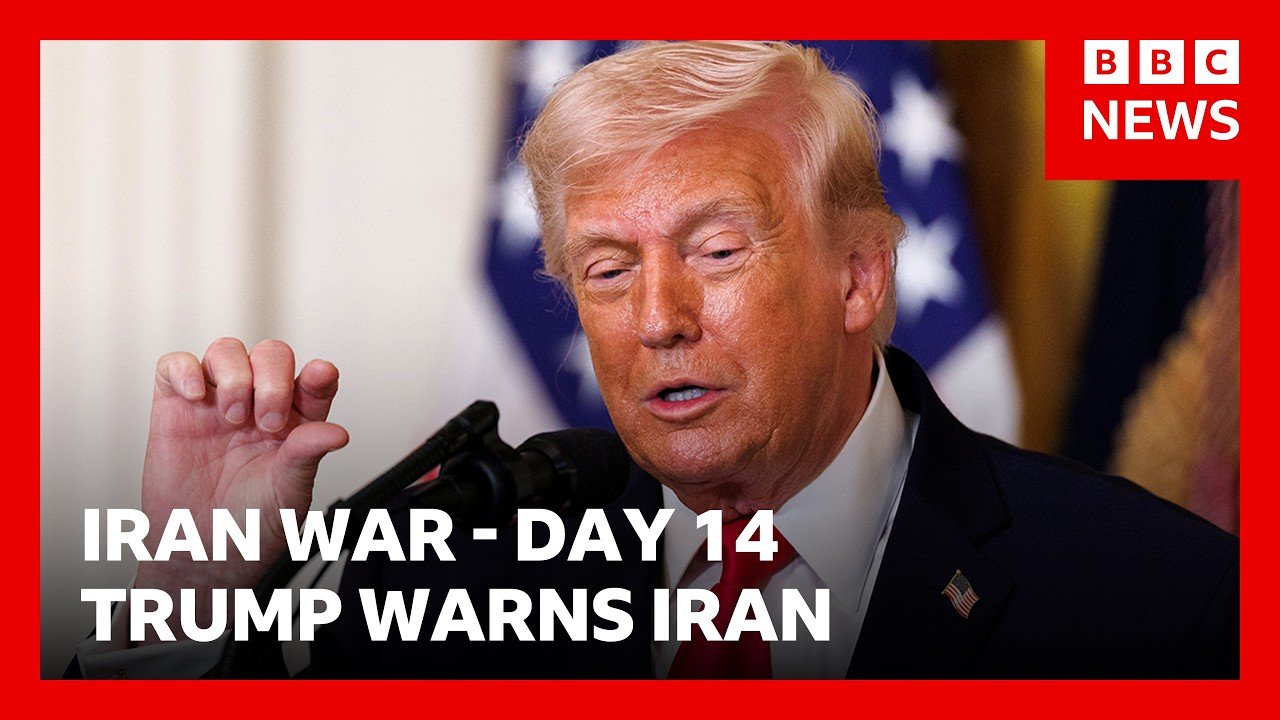
Rising tensions in the Middle East have reached a new level after Donald Trump warned that the United States could strike Iran “very hard” in the coming days. The warning comes as the ongoing war between the United States and Iran intensifies, with military operations expanding across several strategic areas in the region.
Trump’s remarks have drawn global attention, raising concerns about further escalation in a conflict that is already impacting international security, oil markets, and geopolitical stability.
Trump’s Strong Warning to Iran
Speaking during interviews and through posts on his social media platform, Trump delivered a direct message to Iran’s leadership. He said the United States was prepared to intensify its military operations if Iran continued its aggressive actions or attempted to disrupt global energy supplies.
The president emphasized that American forces would strike Iran “very hard” within the next week if necessary, signaling that additional military targets could soon be attacked.
Trump also warned that Iran should avoid interfering with vital international shipping routes. Any attempt to block oil shipments through the strategic Strait of Hormuz could trigger an even stronger U.S. response.
The Strategic Importance of the Strait of Hormuz
The Strait of Hormuz is one of the most critical maritime routes in the world. A significant portion of global oil supplies passes through this narrow waterway, connecting the Persian Gulf with international markets.
Trump warned that if Iran attempted to stop the flow of oil through the strait, the United States would respond with force “twenty times harder” than previous strikes.
Because the global economy depends heavily on energy shipments passing through this corridor, any disruption could cause severe consequences for fuel prices and international trade. As tensions escalate, the security of this shipping lane has become a major focus for U.S. military planners.
Ongoing Military Operations
The warning from Trump comes amid a series of ongoing military operations targeting Iranian facilities and infrastructure. U.S. forces, often working alongside allies, have launched strikes against missile sites, military bases, and other strategic targets within Iran.
One of the most significant attacks reportedly targeted Kharg Island, a key location responsible for the majority of Iran’s oil exports. According to reports, the strike was aimed at weakening Iran’s economic and military capabilities while avoiding direct damage to oil infrastructure. The attack highlighted the broader strategy of limiting Iran’s ability to finance its military operations while maintaining pressure on the country’s leadership.
Escalation Across the Region
The conflict has not been limited to Iran alone. Military actions connected to the war have affected several countries across the Middle East. Missile launches, drone strikes, and air operations have been reported in multiple locations.
Some regional groups allied with Iran have also been involved in the conflict, further complicating the situation. These developments have expanded the scope of the war, turning it into a broader regional crisis.
In response, the United States has deployed additional naval forces, aircraft carriers, and military units to the Middle East. The increased presence aims to protect international shipping routes, defend allied nations, and deter further escalation from Iran or its partners.
Trump’s Perspective on the War
Despite the growing tensions, Trump has expressed confidence that the conflict could end relatively soon if U.S. objectives are achieved. He has stated that American forces have already caused significant damage to Iran’s military capabilities. According to Trump, the main goals of the campaign include destroying Iran’s missile programs, limiting its naval capabilities, and preventing the country from developing nuclear weapons.
However, the president also warned that the United States would continue military operations until these objectives were fully accomplished.
Global Reactions and Concerns
Trump’s warning has triggered reactions from governments and international organizations around the world. Many leaders have called for restraint and urged both sides to pursue diplomatic solutions rather than further military escalation. Energy markets have also reacted strongly to the developments. Oil prices surged as fears grew that the conflict could disrupt supply routes in the Middle East. Investors and policymakers are closely watching the situation, as any prolonged disruption could affect global economies.
Meanwhile, humanitarian organizations have expressed concern about the growing number of civilian casualties and the destruction caused by the ongoing conflict.
Iran’s Response
Iranian officials have rejected U.S. warnings and insisted that the country will continue defending its interests. Military leaders in Tehran have vowed to respond to American attacks and maintain their presence in strategic areas.
Iran has also warned that it could retaliate against U.S. bases and allies in the region if the conflict intensifies. These statements have increased fears that the war could expand further if diplomatic efforts fail.
The Risk of a Larger Conflict
Military analysts warn that the situation remains extremely fragile. Even a single incident—such as an attack on shipping lanes, a major airstrike, or a miscalculation by either side—could trigger a wider war involving multiple countries. The presence of powerful military forces from several nations in the region means that any escalation could have global consequences.
At the same time, diplomatic efforts are continuing behind the scenes. Some international mediators are working to reduce tensions and encourage negotiations between the two sides.
Conclusion
Donald Trump’s warning that the United States will hit Iran “very hard” in the coming days underscores the seriousness of the ongoing conflict. With military operations already underway and tensions rising across the Middle East, the world is watching closely to see how events unfold. While both sides appear determined to defend their interests, the possibility of further escalation remains a major concern for the international community. The coming days could prove critical in determining whether the conflict expands into a broader regional war or moves toward a diplomatic resolution.