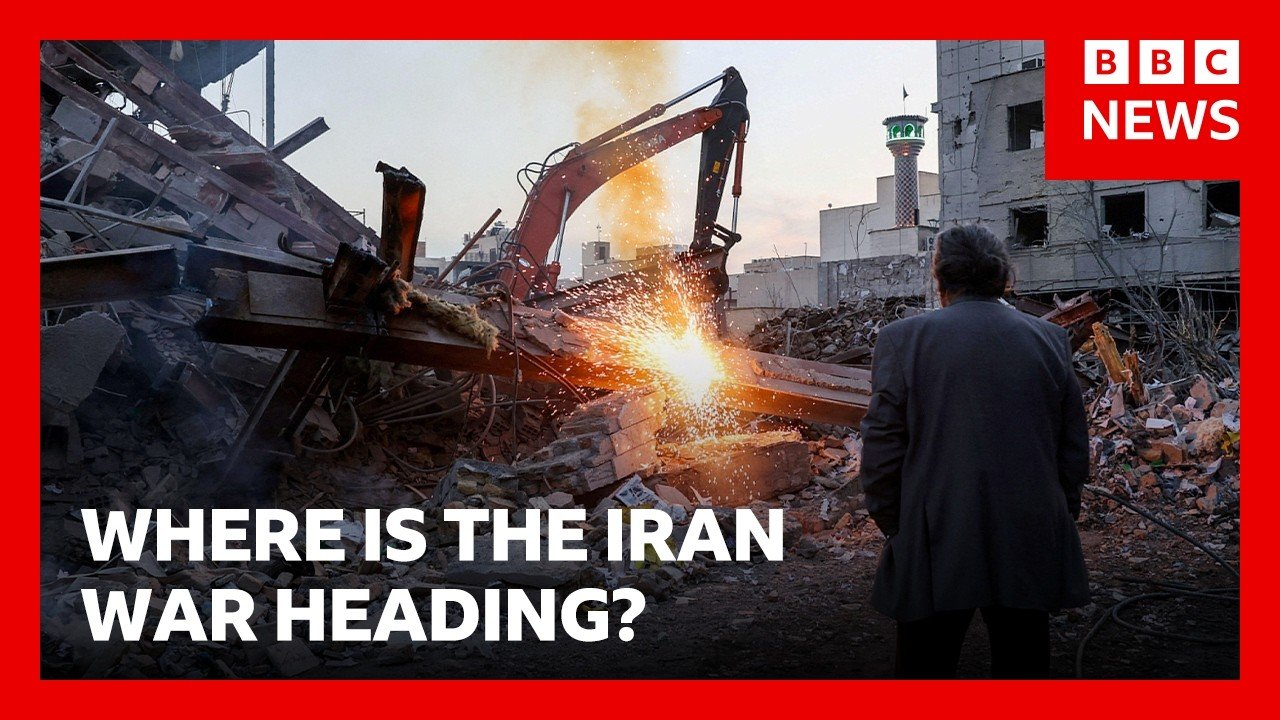
The death toll in the rapidly escalating conflict involving Iran, the United States, and Israel has risen significantly, with official figures in recent days indicating that at least 787 people have died as a result of the clashes — a number that may rise further as the war shows no sign of abating.
The tragic surge in fatalities comes amid intensifying airstrikes, missile exchanges, and ground confrontations that have drawn international concern. Political leaders, military commanders, and civilians alike are grappling with the scale of destruction, the humanitarian toll, and the uncertainty of how long the confrontation could last.
Escalation of Strikes and Rising Casualties
The conflict began with a series of coordinated military actions by the United States and Israel targeting strategic Iranian locations, including missile launchers, military bases, and key infrastructure across major cities. According to reports, these strikes have hit more than 1,000 sites across Iran, affecting both military installations and densely populated urban areas.
The Iranian Red Crescent Society, which has been documenting casualties on the ground, states that the majority of the reported deaths have occurred within Iran itself. Most victims include both combatants and civilians, with several tragic incidents — such as a strike on a primary school in Minab that killed scores of children and staff — drawing international condemnation.
Alongside Iranian losses, fighting has spread beyond the country’s borders. Israeli forces have reported civilian casualties within Israel from Iranian missile attacks, and allied forces — including U.S. service members — have suffered fatalities. So far, six U.S. military personnel have been confirmed killed in the conflict, with additional personnel wounded in clashes across the Middle East.
Trump’s Warning: “This Could Go On for Weeks”
Amid mounting casualties, U.S. President Donald Trump has publicly acknowledged that the conflict is likely to be prolonged. In remarks quoted in multiple media outlets, Trump warned that fighting could continue for weeks, emphasizing that American and allied forces “have the capability to go far longer” than initial projections.
The president’s comments reflect the seriousness of the military campaign and its strategic objectives, which include neutralizing what U.S. officials describe as imminent threats posed by Iran’s missile capabilities and its regional influence. However, Trump’s statements have also fueled debate, both domestically and internationally, over the cost and consequences of extended military engagement.
Trump’s administration has defended the operations as necessary to prevent future attacks and weaken Iran’s capacity to wage war. Yet critics have raised concerns about civilian harm, the risk of regional destabilization, and the lack of a clear exit strategy. These differing perspectives have intensified political discourse in the United States, with lawmakers from both parties offering sharply contrasting views on the scope and duration of the conflict.
Regional Spread and International Reactions
As the war has unfolded, it has drawn in additional actors and expanded across the Middle East. Iranian-aligned groups, including militant factions such as Hezbollah, have claimed responsibility for attacks on Israeli positions, while Tehran has launched missile and drone strikes targeting U.S. bases and diplomatic facilities throughout the Gulf. Reports indicate that Iran’s forces struck the U.S. consulate in Dubai, causing damage and prompting reassessments of diplomatic posture across the region.
These developments have led several countries to urge their citizens to leave the region, with travel advisories issued to nationals from multiple nations. Diplomatic missions from several Western countries have temporarily closed or scaled back operations, highlighting concerns about security and the unpredictability of the conflict’s next phase.
Beyond immediate military concerns, the war has also had repercussions for global energy markets. The closure or disruption of strategic transport routes, including the Strait of Hormuz — a vital chokepoint for global oil shipments — has contributed to volatility in energy prices and raised fears about broader economic fallout if the fighting continues unabated.
Humanitarian Impact and Civilian Suffering
One of the most distressing aspects of the war has been its toll on civilians. In addition to the school tragedy in Minab, widespread damage to housing, hospitals, and public infrastructure has left countless families displaced or struggling to access critical services. Rescue workers and humanitarian groups have reported scenes of devastation in major urban centers, where power outages, communications disruptions, and limited access to medical care are compounding the suffering of ordinary citizens.
Human rights organizations and international observers have expressed alarm over reports of civilian casualties and have called for greater efforts to protect noncombatants. Legal experts have also questioned the legality of some operations under international humanitarian law, citing concerns about proportionality and the conduct of hostilities in populated areas.
Political Debate and the Path Forward
As the conflict enters its second week, political debate continues to intensify both within the United States and among international partners. Some officials argue that decisive military action is essential to deter future aggression and protect allied interests, while others warn that prolonged engagement could deepen regional instability and lead to unforeseen consequences.
In the United States, members of Congress have increasingly scrutinized the administration’s strategy, with calls for clearer objectives and accountability for civilian harm. International allies have also varied in their responses — some expressing support for containment of the crisis, others urging immediate de-escalation and dialogue.
Despite these pressures, the situation on the ground remains volatile. With President Trump and other leaders signaling that the war could extend over a period of weeks — or perhaps longer — it is clear that the region faces a period of profound uncertainty. Humanitarian needs are mounting, diplomatic channels remain strained, and families on all sides are mourning loved ones lost in the violence.
Conclusion
The war between the United States, Israel, and Iran has emerged as one of the most consequential conflicts in the Middle East in recent years. With a growing death toll, expanding military operations, and warnings from leaders that the fighting may continue for an extended period, the human and political stakes are exceedingly high. As governments and civilian organizations strive to respond, the world watches closely, hoping for a pathway to peace even as the echoes of war continue to reverberate across the region.