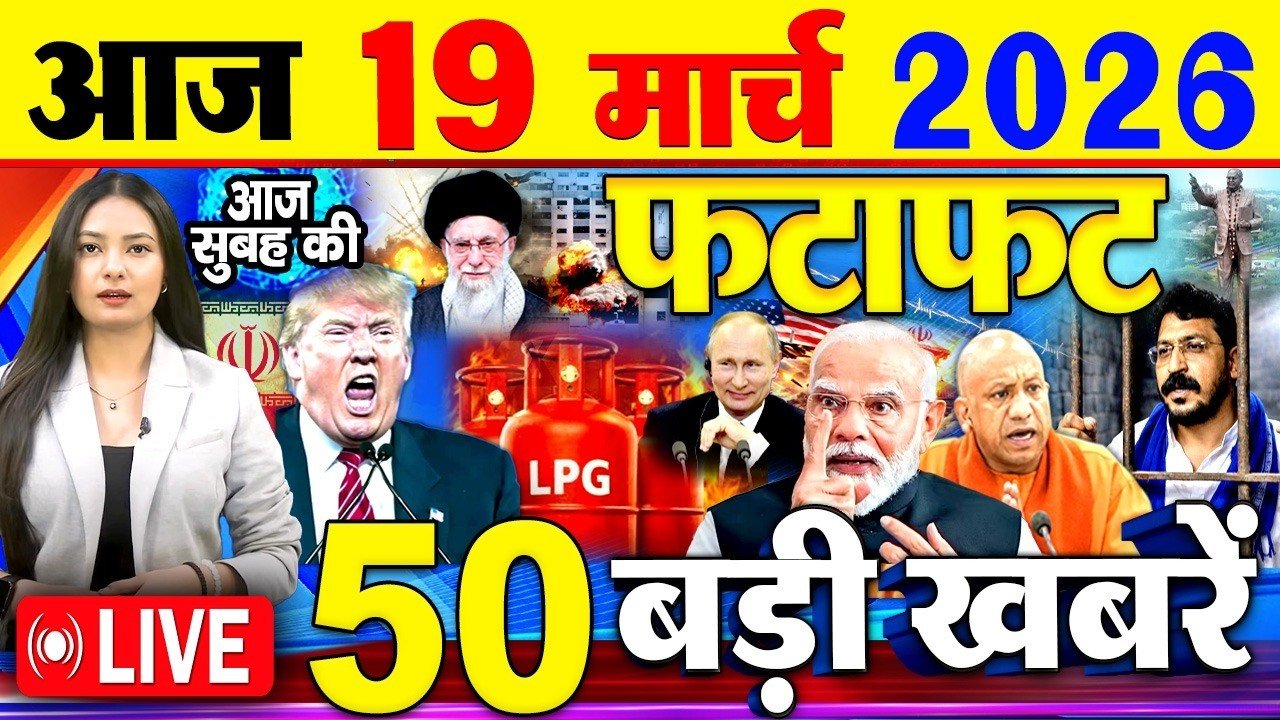
Rising Tensions in the Middle East
The ongoing conflict between Israel and Iran has entered a dangerous new phase, triggering global concern and forcing major nations, including India, to closely monitor the rapidly evolving situation. What initially began as targeted strikes has now escalated into a broader regional crisis involving multiple countries, energy infrastructure, and strategic routes.
Recent developments have seen large-scale airstrikes, missile attacks, and retaliatory operations that have significantly destabilized the Middle East. According to recent reports, Israel launched major strikes on Iran’s critical gas infrastructure, while Iran responded with missile attacks on energy facilities across the Gulf region. The Times of India+1
This escalation has not only intensified military tensions but has also disrupted global energy markets and raised fears of a wider war that could affect international trade and oil supply routes.
India’s Strategic Concern and Alert Status
India, with its deep economic and strategic ties to the Middle East, has gone on alert as the conflict continues to unfold. The region is crucial for India due to its dependence on oil imports, trade routes, and the presence of millions of Indian citizens working in Gulf countries.
The Indian government is closely monitoring the situation, especially with reports suggesting threats to key shipping routes such as the Strait of Hormuz, a vital artery for global oil supply. Any disruption in this region could have direct consequences on India’s economy, fuel prices, and overall financial stability.
Additionally, the safety of Indian nationals living in the Middle East has become a top priority. The government has initiated diplomatic outreach and contingency planning to ensure their security if the situation worsens.
PM Modi Calls for Dialogue and De-escalation
Prime Minister Narendra Modi has taken a proactive diplomatic stance amid the crisis. He has strongly emphasized that military conflict is not a solution and has called for dialogue, diplomacy, and peaceful resolution of disputes.
In recent statements, PM Modi condemned attacks on energy infrastructure and urged all parties involved to avoid further escalation. He also engaged in discussions with several global leaders, including those from Qatar, Oman, France, and Jordan, highlighting the urgent need for de-escalation.
India’s position has remained consistent: promoting peace, stability, and constructive dialogue. PM Modi has reiterated that resolving conflicts through diplomacy is essential, especially in a region as sensitive and strategically important as the Middle East.
Global Diplomatic Efforts Intensify
India is not alone in its call for peace. Several world leaders have joined hands in urging restraint and diplomatic engagement. Notably, discussions between PM Modi and French President Emmanuel Macron underscored the importance of coordinated international efforts to prevent further escalation.
The international community is increasingly concerned that continued hostilities could spiral into a broader regional war, involving more countries and causing widespread humanitarian and economic consequences.
Despite these diplomatic efforts, the situation on the ground remains volatile, with both Israel and Iran continuing to exchange strikes and warnings.
Impact on Global Energy and Economy
One of the most immediate consequences of the Israel-Iran conflict has been its impact on global energy markets. Attacks on gas fields and oil infrastructure have led to fluctuations in oil prices and fears of supply shortages.
Reports indicate that strikes on major gas facilities have already disrupted production and export capacities, affecting global supply chains.
For India, which relies heavily on energy imports from the Middle East, this situation poses a serious economic challenge. Rising oil prices could lead to inflation, increased transportation costs, and pressure on the country’s fiscal balance.
The State Bank of India and other financial institutions are also closely watching the situation, as global instability can affect currency markets, investment flows, and overall economic growth.
Humanitarian Concerns and Civilian Impact
Beyond economic and geopolitical implications, the human cost of the conflict is rapidly increasing. Thousands of casualties have been reported, with civilians bearing the brunt of the violence.
Infrastructure damage, displacement of populations, and disruptions to essential services have created a growing humanitarian crisis in the region. Countries like Lebanon and parts of the Gulf are already experiencing significant fallout from the conflict.
India has expressed concern over the safety of civilians and has called for prioritizing humanitarian considerations in all actions.
India’s Balanced Foreign Policy Approach
India’s response to the Israel-Iran conflict reflects its long-standing policy of strategic balance. The country maintains strong ties with both Israel and Iran, making its position particularly sensitive.
While India has strengthened its partnership with Israel in areas such as defense and technology, it also shares historical and economic ties with Iran, including strategic projects like the Chabahar Port.
This dual relationship has led India to adopt a neutral and balanced approach, focusing on peace rather than taking sides. The emphasis has been on dialogue, respect for sovereignty, and regional stability.
The Road Ahead
As the conflict continues, the risk of further escalation remains high. Any additional strikes or involvement of new actors could push the region closer to a full-scale war.
India’s role in this scenario is likely to remain focused on diplomacy, humanitarian support, and safeguarding its national interests. The government is expected to continue engaging with global partners to promote peace and stability.
The coming days will be critical in determining whether diplomatic efforts can succeed in de-escalating tensions or whether the conflict will intensify further.
Conclusion
The escalating Israel-Iran conflict has placed the world on edge, with significant implications for global security, energy markets, and economic stability. India, recognizing the gravity of the situation, has stepped up its diplomatic efforts and placed itself on alert. Prime Minister Narendra Modi’s call for dialogue and de-escalation highlights India’s commitment to peace and its role as a responsible global player. As tensions continue to rise, the need for diplomacy and restraint has never been more urgent.
The world now watches closely, hoping that dialogue will prevail over conflict and that stability can be restored in one of the most volatile regions on the planet.