Introduction
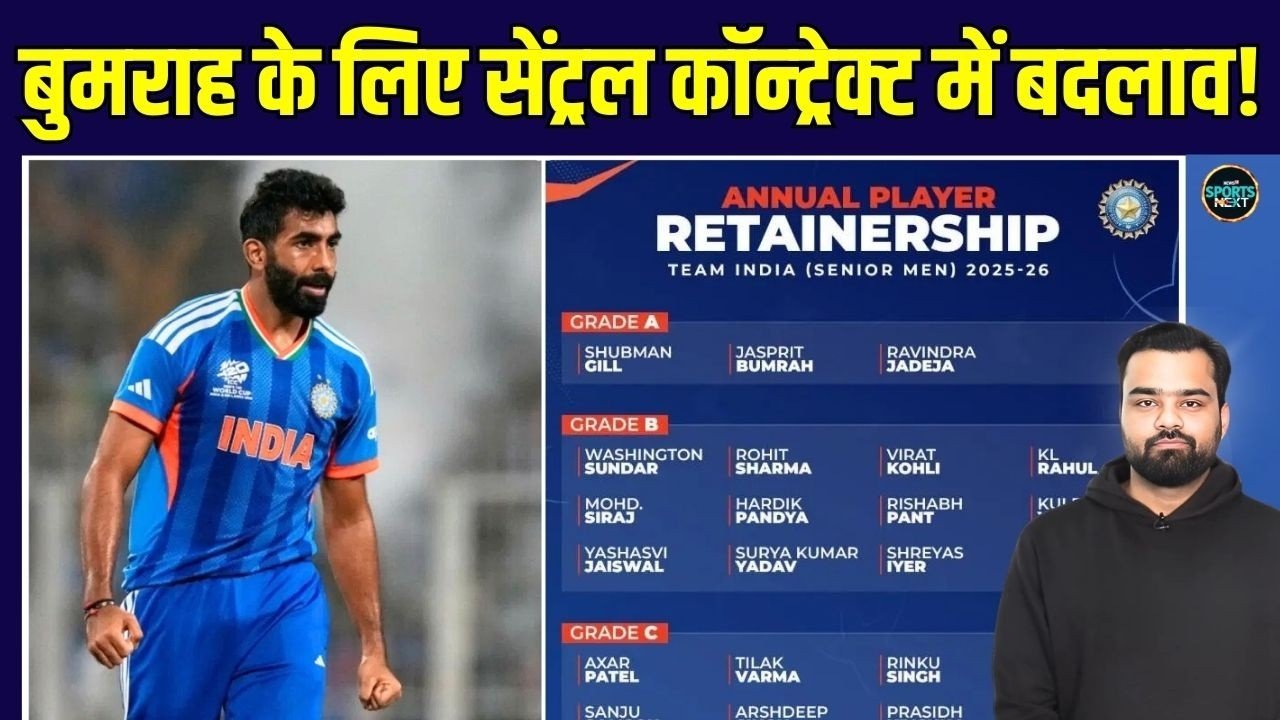
The Board of Control for Cricket in India is reportedly preparing to make significant changes to its central contract structure for 2026, with fast-bowling spearhead Jasprit Bumrah expected to be at the center of these developments. As one of India’s most valuable players across formats, Bumrah’s performance, fitness management, and leadership role have made him indispensable to the national side. The potential revamp of his contract reflects not just his individual importance but also the evolving priorities of Indian cricket.
The central contract system plays a crucial role in determining player salaries, workload management, and overall recognition within the team hierarchy. Any changes involving a player of Bumrah’s stature are bound to attract widespread attention and spark discussion about the future direction of the team.
The Current Central Contract Structure
The Board of Control for Cricket in India currently categorizes players into four grades: A+, A, B, and C. These categories are based on performance, consistency, and overall contribution to the team. Players in the A+ category are the highest earners and are considered the backbone of the Indian squad across formats.
Jasprit Bumrah has been a regular member of the top tier for several years, owing to his match-winning abilities and consistency in high-pressure situations. Alongside other elite players, he has helped shape India’s dominance in both Test and limited-overs cricket.
However, with the game evolving rapidly and the workload on fast bowlers increasing, the existing contract structure may no longer fully reflect the realities of modern cricket. This has prompted the BCCI to consider revisions that better align with player roles and demands.
Why Bumrah’s Contract Is Under Review
Bumrah’s case is unique due to the nature of his role. As a fast bowler who plays across all formats, he carries a heavy workload throughout the year. Managing his fitness has been a priority for the team management, especially given his past injury concerns. The BCCI is believed to be exploring ways to ensure that players like Bumrah are adequately compensated while also being protected from burnout. This could involve a more flexible contract structure that accounts for workload management, rest periods, and performance incentives.
Another factor is Bumrah’s impact in crucial matches. Whether it is delivering in the final overs of a T20 game or leading the pace attack in Test cricket, his contributions often determine the outcome of matches. Recognizing this level of influence may lead to a revised contract that goes beyond the traditional grading system.
Possible Changes in the 2026 Contract List
While official details have yet to be announced, several possibilities are being discussed regarding the 2026 central contract list. One potential change is the introduction of performance-based incentives that reward players for match-winning contributions rather than just overall appearances.
There is also speculation about a more dynamic grading system, where players can move between categories more frequently based on current form and fitness. For someone like Bumrah, this could mean additional rewards during peak performance periods.
Another idea under consideration is specialized contracts for players with unique roles. Fast bowlers, in particular, may receive tailored agreements that account for their physical demands and injury risks. This would mark a significant shift from the one-size-fits-all approach currently in place.
Impact on Team Dynamics
Any change to Bumrah’s contract will inevitably have an impact on the rest of the team. As one of the senior players, his position often sets a benchmark for others. A revised contract structure could lead to similar adjustments for other key players, especially those who play across multiple formats.
It may also influence how young players approach their careers. Seeing a player like Bumrah receive special consideration for workload and performance could encourage emerging talents to focus on long-term sustainability rather than short-term gains.
At the same time, the BCCI will need to ensure that the new system remains fair and transparent. Balancing individual recognition with team harmony is always a challenge, particularly in a highly competitive environment like Indian cricket.
The Role of Workload Management
Workload management has become a central theme in modern cricket, and Bumrah’s situation highlights its importance. Fast bowlers are particularly susceptible to injuries due to the physical strain of their role. Ensuring that they remain fit and effective over the long term requires careful planning and support. The BCCI has already taken steps in this direction by rotating players and providing rest during less critical series. A revamped contract could formalize these practices, making workload management an integral part of player agreements.
For Bumrah, this could mean fewer matches in certain formats but a greater focus on key tournaments and series. Such an approach would not only extend his career but also maximize his impact when it matters most.
Financial and Strategic Implications
Updating Bumrah’s contract is not just a cricketing decision; it also has financial and strategic implications. As one of India’s most marketable players, his value extends beyond the field. A revised contract could reflect his brand value and contribution to the sport’s popularity.
From a strategic perspective, investing in key players like Bumrah ensures stability within the team. It sends a message that the BCCI is committed to supporting its top performers while adapting to the changing demands of the game.
This move could also set a precedent for future contract negotiations, influencing how the board approaches player management in the years to come.
Conclusion
The potential revamp of Jasprit Bumrah’s contract in the 2026 central list marks an important moment for Indian cricket. It reflects a broader shift toward recognizing the unique challenges faced by modern players, particularly fast bowlers who operate across all formats.
While the exact details remain to be seen, the direction is clear: a more flexible, performance-oriented, and player-centric contract system. For Bumrah, this could mean greater recognition of his contributions and a structure that supports his long-term success. As the BCCI continues to refine its approach, the changes made in 2026 could shape the future of player contracts in Indian cricket. For fans and analysts alike, all eyes will be on how this evolving story unfolds and what it means for one of the game’s most important players.