Introduction
The escalating conflict between the United States and Iran has rapidly transformed into one of the most dangerous geopolitical crises in recent years. What initially began as targeted military strikes and regional confrontations has now evolved into a broader conflict with global implications. Reports of explosions, drone attacks, and retaliatory strikes across multiple regions have intensified fears that the war could expand far beyond the Middle East.
While most of the confirmed attacks have taken place in the Middle East and surrounding regions, growing concerns and unverified reports of potential threats to the United States mainland have fueled anxiety among citizens and policymakers alike. The question now being asked is whether America itself could become a direct battleground.
The Background of the U.S.–Iran War
The current conflict traces its roots to escalating tensions that culminated in late February 2026, when coordinated military actions were launched against Iranian targets. Explosions were reported across Tehran and other parts of Iran as part of a joint offensive involving U.S. forces and allies. one of the most significant military operations followed shortly after, when the United States conducted a massive airstrike campaign targeting key Iranian infrastructure. The bombing of Kharg Island, a crucial oil export hub, reportedly destroyed dozens of military sites and sent shockwaves across the region.
These actions triggered a series of retaliatory measures from Iran and its allied groups, setting off a cycle of escalation that continues to intensify.
Rising Explosions and Regional Instability
As the conflict deepened, explosions and attacks were reported across multiple countries in the Middle East. Drone strikes targeting U.S. assets in Iraq, missile launches toward Gulf nations, and explosions in cities like Doha highlighted the widening scope of the war.
In Iraq, Iranian-backed militias launched drones toward U.S. facilities, with several intercepted before impact. Similar attacks have targeted diplomatic zones and military bases, demonstrating Iran’s strategy of indirect confrontation through proxy forces.
Recent reports also describe intense drone and rocket attacks near U.S. diplomatic compounds, with some strikes causing fires and structural damage. These developments have raised concerns that the conflict is no longer contained within traditional battlefields.
Reports of Threats and Explosions Linked to the U.S.
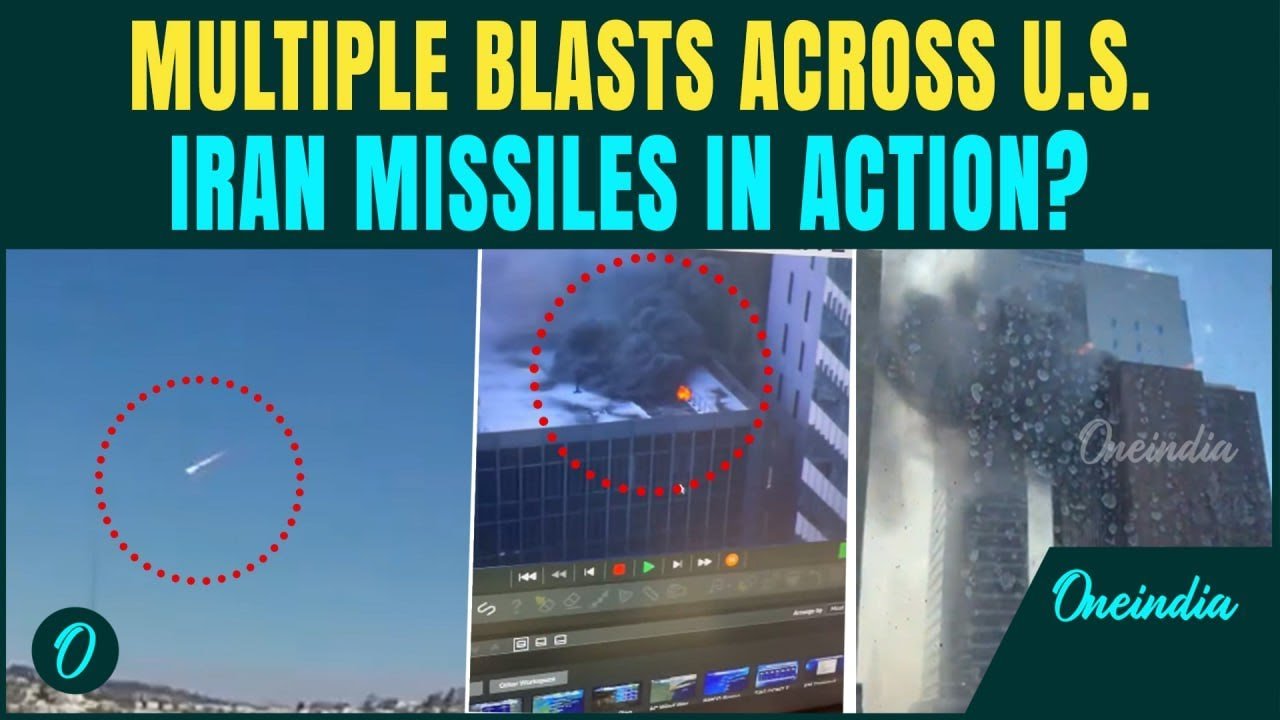
Although confirmed large-scale explosions within the United States remain limited or unverified, the broader context of the war has heightened fears of possible attacks on American soil. Intelligence agencies and security experts warn that asymmetric warfare tactics—such as cyberattacks, sabotage, or small-scale coordinated strikes—could be used to target the U.S. domestically.
The idea of “multiple explosions across America” has largely circulated through early reports, speculation, or misinformation, but it reflects a deeper anxiety about homeland security. With modern warfare increasingly involving non-traditional tactics, the possibility of indirect attacks cannot be ruled out entirely.
Authorities have reportedly increased security measures in major cities, critical infrastructure sites, and transportation hubs to prevent any potential threats.
Economic Shockwaves of the Conflict
Even without confirmed large-scale attacks on U.S. soil, the war is already having a profound impact on the American economy. Oil prices have surged dramatically due to disruptions in global supply routes, particularly the Strait of Hormuz, a vital energy corridor.
Gasoline prices in the United States have climbed to their highest levels in years, putting pressure on households and businesses alike. The economic ripple effects extend beyond fuel costs, influencing inflation, consumer spending, and overall economic stability.
Experts warn that prolonged conflict could slow economic growth and delay financial recovery efforts, making the war not just a military issue but a domestic economic crisis as well.
Human Cost and Civilian Impact
The war has also resulted in significant civilian casualties, particularly within Iran. Reports indicate that hundreds of civilians, including children, have been killed in missile strikes and bombardments since the conflict began.
One of the most tragic incidents involved a school attack that resulted in a large number of fatalities, drawing international condemnation and raising serious questions about the humanitarian consequences of the conflict. These events highlight the devastating human toll of modern warfare and underscore the urgency of diplomatic efforts to de-escalate tensions.
The Role of Modern Warfare
The U.S.–Iran conflict demonstrates how modern warfare has evolved. Instead of traditional large-scale invasions, the war is being fought through a combination of airstrikes, drone attacks, cyber operations, and proxy engagements.
Iran’s use of drones and allied militias allows it to strike U.S. interests without direct confrontation, while the United States relies on precision strikes and advanced weaponry to target strategic assets. This type of warfare makes it difficult to predict where the next attack may occur, increasing global uncertainty.
Growing Fear and Global Repercussions
The psychological impact of the conflict is significant. Reports of explosions, even when unverified, contribute to widespread fear and uncertainty. Social media has amplified these concerns, often spreading information faster than it can be verified.
Globally, the conflict is affecting international markets, alliances, and diplomatic relations. Countries are being forced to take sides or navigate a complex geopolitical landscape, raising the risk of a broader international confrontation.
Conclusion
The question of whether America is under direct threat remains complex. While confirmed large-scale explosions within the United States are not widely verified, the broader U.S.–Iran war has created an environment of heightened risk and uncertainty. The ongoing conflict has already demonstrated its ability to disrupt economies, destabilize regions, and cause significant human suffering. As tensions continue to rise, the possibility of further escalation—including potential threats to U.S. soil—cannot be entirely dismissed.
Ultimately, the situation underscores the importance of diplomacy, strategic restraint, and international cooperation. Without these, the conflict risks spiraling into an even more dangerous and unpredictable phase, with consequences that could extend far beyond the current battlefield.