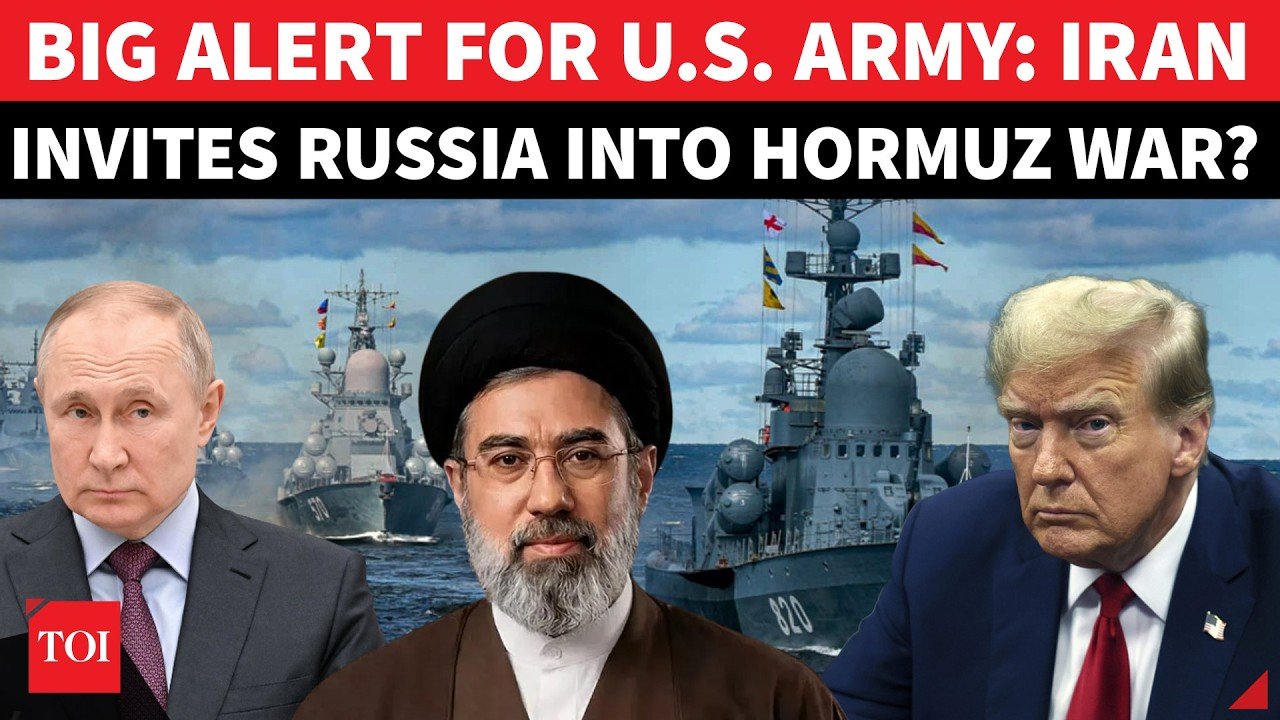
Rising Tensions in the Strait of Hormuz
The geopolitical landscape of the Middle East has entered a volatile new phase as tensions around the Strait of Hormuz continue to escalate. This narrow yet critically important waterway, through which nearly one-fifth of the world’s oil supply passes, has once again become the focal point of global concern.
Since the outbreak of the 2026 Iran conflict, the region has witnessed repeated military strikes, naval confrontations, and disruptions to commercial shipping. Iran’s warnings and actions in the strait have significantly reduced maritime traffic, triggering fears of a prolonged global energy crisis.
Against this backdrop, speculation is mounting over Russia’s potential role, particularly whether President Vladimir Putin may step in to support Tehran—either diplomatically, economically, or even militarily.
Moscow-Tehran Relations Deepen
Russia and Iran have steadily strengthened their relationship over the past few years, evolving from strategic partners into increasingly close geopolitical allies. Their cooperation has expanded across defense, energy, and technology sectors.
Recent intelligence reports suggest that Moscow may already be moving closer to Tehran amid the ongoing conflict. European officials have indicated that Russia is preparing to supply drones and other forms of assistance to Iran, signaling a potential shift toward more direct involvement.
While the Kremlin has not officially confirmed military support, it has acknowledged ongoing communication with Iranian leadership. This includes high-level discussions that reflect both coordination and concern over the rapidly deteriorating situation in the Gulf.
Putin’s Strategic Calculations
President Putin’s approach to the crisis appears to be driven by a combination of strategic caution and opportunism. On one hand, Russia has positioned itself as a potential mediator, maintaining communication with both Iran and Arab states in an attempt to ease tensions.
On the other hand, the crisis presents clear advantages for Moscow. Rising oil prices—driven by instability in the Strait of Hormuz—have significantly boosted Russia’s energy revenues. Analysts suggest that prolonged disruption in the region could further strengthen Russia’s position as a key global energy supplier.
Putin has also warned that the situation could spiral into a full-scale energy crisis, with oil flows through the strait potentially coming to a halt. Such a scenario would have devastating consequences for global markets and could reshape international alliances.
Military Signals and Strategic Posturing
Although Russia has not openly committed to supporting Iran in the conflict, there are growing indications of military coordination between the two nations. Joint naval exercises in and around the Strait of Hormuz earlier this year highlighted their shared interest in countering Western influence in the region.
These exercises demonstrated not only operational cooperation but also a symbolic alignment of interests. For Iran, Russian support offers a powerful counterbalance to U.S. and allied forces. For Russia, it provides an opportunity to expand its influence in a strategically vital region.
Global Energy Markets on Edge
The Strait of Hormuz crisis has already sent shockwaves through global energy markets. Oil prices have surged amid fears of supply disruptions, with traders closely monitoring developments in the region.
Shipping activity through the strait has become increasingly uncertain. Reports indicate that even vessels from countries considered friendly to Iran have hesitated to pass through, reflecting the heightened risk environment. If Russia were to actively support Iran—whether through military aid or strategic coordination—it could further escalate tensions and deepen the crisis. Such a move might also complicate efforts to keep the strait open, prolonging disruptions to global energy supplies.
Diplomatic Balancing Act
Despite growing speculation about a Russia-Iran axis, Moscow continues to walk a diplomatic tightrope. The Kremlin has engaged with Gulf nations, expressing concern over attacks on oil infrastructure and emphasizing the need for stability.
This dual approach—maintaining ties with Iran while engaging with its regional rivals—reflects Russia’s broader strategy of positioning itself as both a power broker and a beneficiary of the crisis.
However, this balancing act may become increasingly difficult as the conflict intensifies. Any overt support for Iran could strain Russia’s relationships with other Middle Eastern countries and potentially draw it deeper into the conflict.
Risks of a Wider Conflict
The possibility of Russian backing for Iran raises serious concerns about the risk of a broader regional or even global confrontation. The involvement of major powers could transform the conflict from a regional dispute into a more complex and dangerous geopolitical standoff. The Strait of Hormuz remains a critical flashpoint. Any attempt to fully block or militarize the waterway could trigger direct confrontation between Iran and Western naval forces, with unpredictable consequences.
Experts warn that miscalculations or unintended escalations could rapidly spiral out of control, especially in such a heavily militarized environment.
Conclusion
The question of whether Russia will fully back Iran in the Strait of Hormuz crisis remains unanswered, but the signs of deepening cooperation are becoming increasingly clear. President Putin’s strategy appears to balance caution with calculated advantage, leveraging the crisis to strengthen Russia’s global position while avoiding direct confrontation—at least for now. As tensions continue to rise, the world watches closely. The decisions made in Moscow, Tehran, and Washington in the coming weeks could determine not only the future of the Middle East conflict but also the stability of global energy markets and international security.
The Strait of Hormuz, long recognized as one of the world’s most strategic chokepoints, has once again become the center of a geopolitical storm—one that could reshape the balance of power far beyond the region.