Introduction
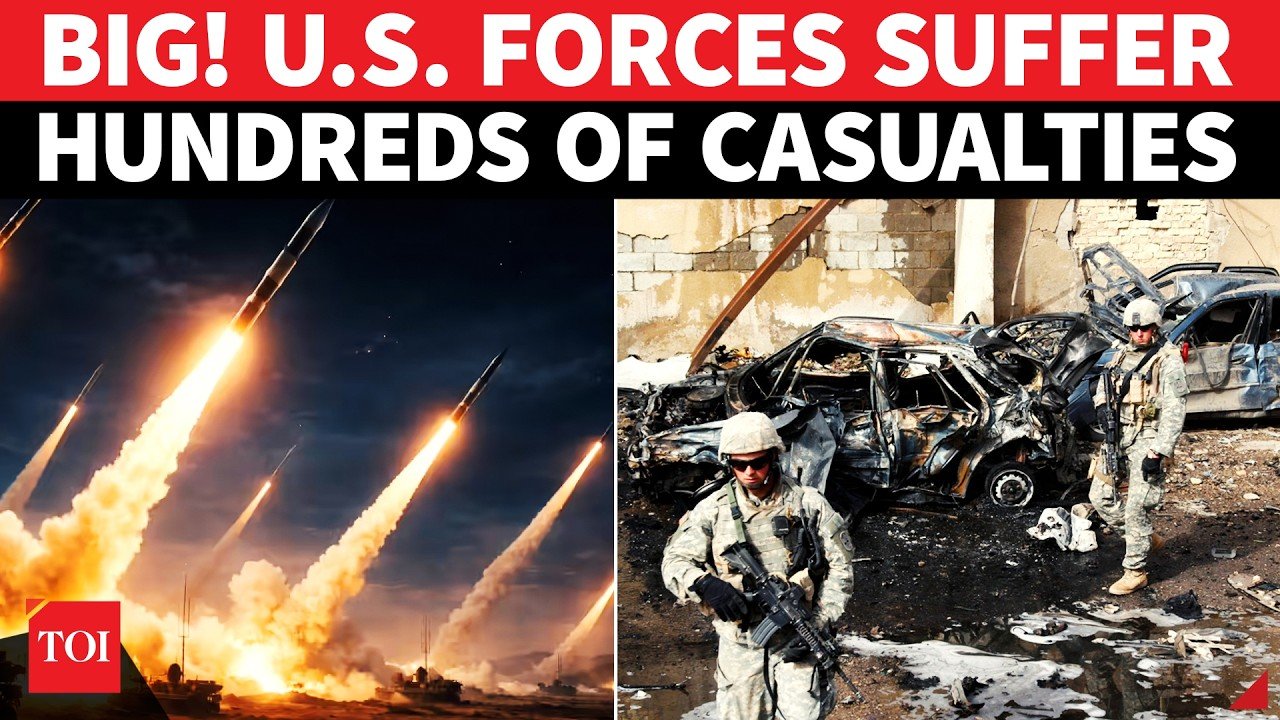
A major escalation in the Middle East conflict has drawn global attention after reports confirmed that around 200 United States troops have been injured in a series of Iranian retaliatory attacks. The development comes amid ongoing military operations involving the United States and its allies, with tensions reaching a critical point across several countries in the region. Statements from Donald Trump, claiming he was caught off guard by the scale of Iran’s response, have further intensified debate and concern worldwide.
the Attacks
According to recent reports, U.S. troops have suffered injuries across multiple countries, including Iraq, Kuwait, Saudi Arabia, Bahrain, and the United Arab Emirates. These injuries were primarily caused by missile strikes and drone attacks launched by Iran in retaliation for earlier U.S. military operations.
While the number of injured has reached approximately 200, officials have stated that the majority of these injuries are minor. Around 180 troops have already returned to duty, though several cases involve serious conditions such as burns, shrapnel wounds, and traumatic brain injuries.
The attacks were not limited to military installations alone. Iranian strikes also targeted infrastructure and strategic locations, including ports, airports, and energy facilities in the Gulf region, indicating a broad and coordinated response.
Trump’s Statement and Controversy
In the aftermath of the attacks, Donald Trump publicly stated that he had been surprised by the intensity and scope of Iran’s retaliation. This claim quickly became controversial, as reports emerged suggesting that U.S. intelligence agencies had warned of possible retaliatory actions.
According to sources familiar with intelligence briefings, the possibility of Iranian strikes on U.S. forces and allied countries had been discussed prior to the escalation. However, Trump denied receiving such warnings, leading to questions about communication gaps within the administration.
This contradiction has fueled political debate, with critics arguing that the situation reflects a failure to fully anticipate or prepare for the consequences of military action. Supporters, on the other hand, have emphasized the unpredictable nature of modern warfare and Iran’s aggressive response strategy.
Nature of Iran’s Military Response
Iran’s response has been characterized by a combination of missile barrages and drone strikes targeting U.S. and allied positions. These attacks have demonstrated Iran’s capability to strike across a wide geographic area simultaneously.
One notable incident occurred in Kuwait, where a drone strike hit a U.S. military installation, causing casualties and significant damage. Similar attacks have been reported in other countries, highlighting the regional scope of the conflict.
Iran’s strategy appears to focus on overwhelming defenses through multiple coordinated attacks, creating pressure on U.S. forces and complicating response efforts. This approach has raised concerns about the potential for further escalation and the risk of a prolonged conflict.
Impact on U.S. Military Operations
Despite the injuries, U.S. military officials have maintained that operational readiness remains strong. Most injured personnel have either returned to duty or are receiving treatment, and the United States continues to carry out its strategic objectives in the region. However, the scale of the attacks has forced the military to reassess its defensive measures. Increased emphasis is being placed on air defense systems, intelligence coordination, and the protection of bases and personnel.
The loss of equipment, including advanced drones, and the need to respond to ongoing threats have added complexity to U.S. operations. Nevertheless, officials assert that the U.S. maintains air superiority and continues to degrade Iran’s military capabilities.
Global Reactions and Market Response
The international community has reacted with a mix of concern and caution. Many countries have called for restraint and diplomatic solutions to prevent further escalation. The involvement of multiple nations and the spread of attacks across the region have heightened fears of a wider conflict. Global energy markets have also been affected. The Middle East is a crucial hub for oil production and transportation, and any instability in the region tends to cause fluctuations in oil prices. The ongoing conflict and uncertainty surrounding future developments have contributed to market volatility.
Allied nations are closely monitoring the situation, with some expressing reluctance to become directly involved in the conflict. Diplomatic efforts are ongoing, but achieving a resolution remains challenging given the current tensions.
Broader Implications for Regional Stability
The injuries sustained by U.S. troops highlight the risks associated with escalating military engagements in the Middle East. The conflict has already spread across multiple countries, affecting not only military forces but also civilian infrastructure and populations. The situation underscores the interconnected nature of regional security. Actions taken in one country can quickly trigger responses across the entire region, leading to a chain reaction of events that are difficult to control.
Furthermore, the conflict raises questions about long-term strategy and the effectiveness of military solutions in addressing complex geopolitical issues. Balancing military action with diplomatic engagement will be essential in preventing further escalation.
Conclusion
The injury of approximately 200 U.S. troops in Iranian attacks marks a significant moment in the ongoing conflict. It reflects both the intensity of the confrontation and the broader risks facing the region.
Statements by Donald Trump regarding being caught off guard have added another layer of complexity, sparking debate over preparedness and decision-making at the highest levels. As the situation continues to evolve, the focus remains on preventing further escalation while ensuring the safety of military personnel and maintaining stability in a highly volatile region. The coming weeks will be crucial in determining whether the conflict moves toward de-escalation or intensifies further.