Introduction
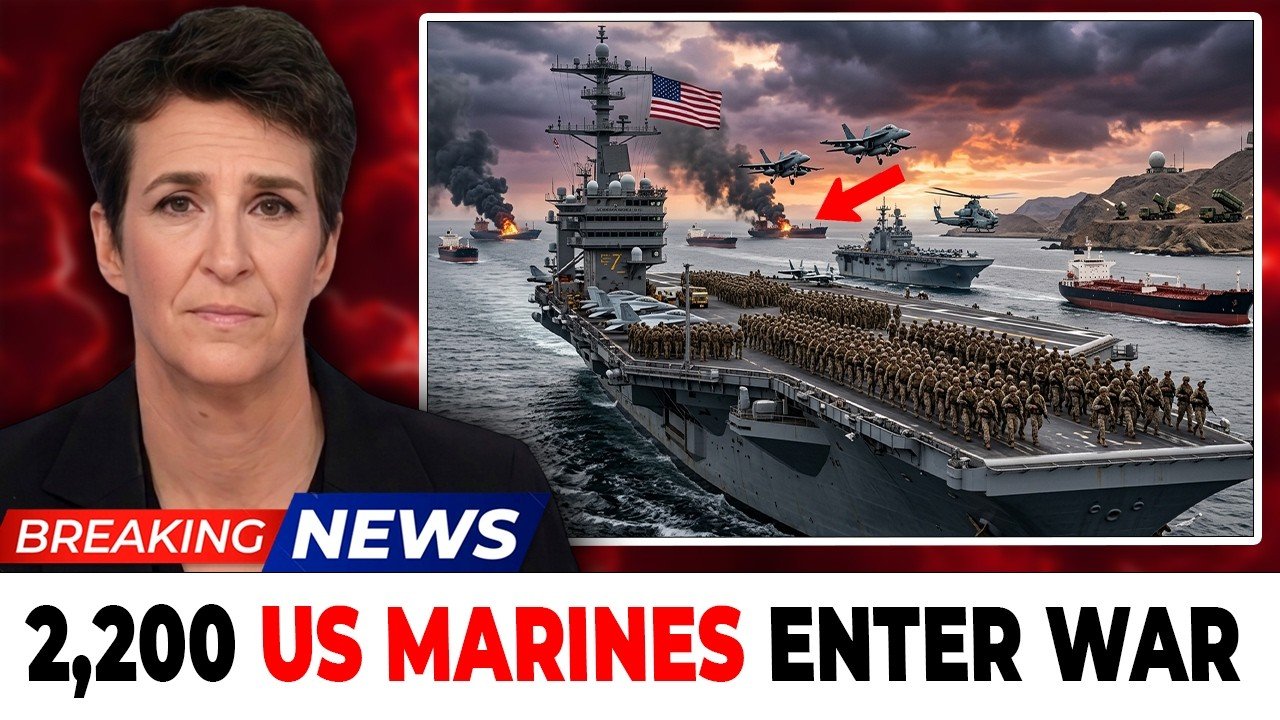
The sudden deployment of 2,200 United States Marines to the Strait of Hormuz has captured global attention and raised significant questions about regional stability and international security. As one of the world’s most critical maritime chokepoints, the Strait of Hormuz plays a vital role in global oil transportation. Any military movement in this region is closely watched by governments, analysts, and markets worldwide. The latest deployment signals a potentially shifting security dynamic in the Middle East.
Strategic Importance of the Strait of Hormuz
The Strait of Hormuz, located between the Persian Gulf and the Gulf of Oman, is one of the most strategically important waterways in the world. A substantial portion of the world’s oil supply passes through this narrow channel, making it a lifeline for global energy markets. Countries such as Saudi Arabia, the United Arab Emirates, Kuwait, and Iraq rely heavily on this route to export oil to international markets.
Because of its importance, the strait has long been a focal point of geopolitical tensions. Any disruption, whether due to military conflict or political disputes, could have far-reaching consequences for global trade and energy prices. This makes the recent deployment of US Marines not just a regional issue, but a matter of international concern.
Reasons Behind the Deployment
While official statements from US authorities emphasize the need to ensure maritime security and protect international shipping lanes, analysts suggest multiple underlying factors. Rising tensions in the Middle East, particularly involving Iran, have contributed to concerns about potential threats to commercial vessels and naval assets in the region.
In recent years, there have been several incidents involving tanker seizures, drone attacks, and naval confrontations. These events have heightened fears of escalation and prompted increased military readiness. The deployment of Marines could be seen as a precautionary measure aimed at deterring hostile actions and reassuring allies in the region.
Another possible reason for the deployment is the need to strengthen the US military presence amid shifting alliances and growing influence from other global powers. By positioning forces in such a critical location, the United States demonstrates its continued commitment to maintaining security and stability in the region.
Role of the US Marines
The US Marines are known for their rapid response capabilities and versatility in handling a wide range of missions. In the context of the Strait of Hormuz, their role is likely to include safeguarding maritime routes, conducting surveillance operations, and responding quickly to any emerging threats. Marines may also work closely with the US Navy and allied forces to enhance coordination and ensure a unified security approach. Their presence could involve boarding operations, escort missions for commercial vessels, and joint exercises aimed at improving readiness and interoperability.
Additionally, the deployment may serve as a signal of deterrence. The visible presence of well-trained and equipped Marines can discourage potential adversaries from engaging in aggressive actions that could destabilize the region.
Global Reactions
The international community has responded with a mix of concern and caution. Some countries have welcomed the move as a necessary step to protect vital shipping lanes and prevent disruptions to global trade. Others, however, have expressed चिंता about the potential for increased militarization and the risk of escalating tensions.
Oil markets have also reacted to the news, with prices showing signs of volatility amid uncertainty about the situation. Any indication of conflict or disruption in the Strait of Hormuz tends to have an immediate impact on global energy prices, reflecting the region’s critical role in supply chains.
Meanwhile, diplomatic channels remain active, with various nations calling for restraint and dialogue. The deployment underscores the delicate balance between ensuring security and avoiding actions that could be perceived as provocative.
Implications for Regional Stability
The presence of US Marines in the Strait of Hormuz could have both stabilizing and destabilizing effects. On one hand, increased security measures may help deter potential threats and ensure the safe passage of commercial vessels. This could contribute to a sense of stability and confidence among global markets and regional partners. On the other hand, the buildup of military forces in an already tense region carries inherent risks. Miscalculations, misunderstandings, or accidental confrontations could quickly escalate into broader conflicts. This highlights the importance of clear communication and effective coordination among all parties involved.
The deployment also raises questions about the long-term strategy of the United States in the Middle East. As geopolitical dynamics continue to evolve, maintaining a balance between military presence and diplomatic engagement will be crucial.
Conclusion
The sudden deployment of 2,200 US Marines to the Strait of Hormuz is a significant development with wide-ranging implications. It reflects ongoing concerns about regional security, the importance of safeguarding global trade routes, and the complex interplay of geopolitical forces in the Middle East. While the move may help reinforce security and deter potential threats, it also underscores the fragile nature of stability in the region. The coming weeks and months will be critical in determining whether this deployment contributes to greater security or adds to existing tensions.
As the world watches closely, the situation in the Strait of Hormuz serves as a reminder of how interconnected global security and economic stability truly are.