Rising Tensions Between Iran and Israel
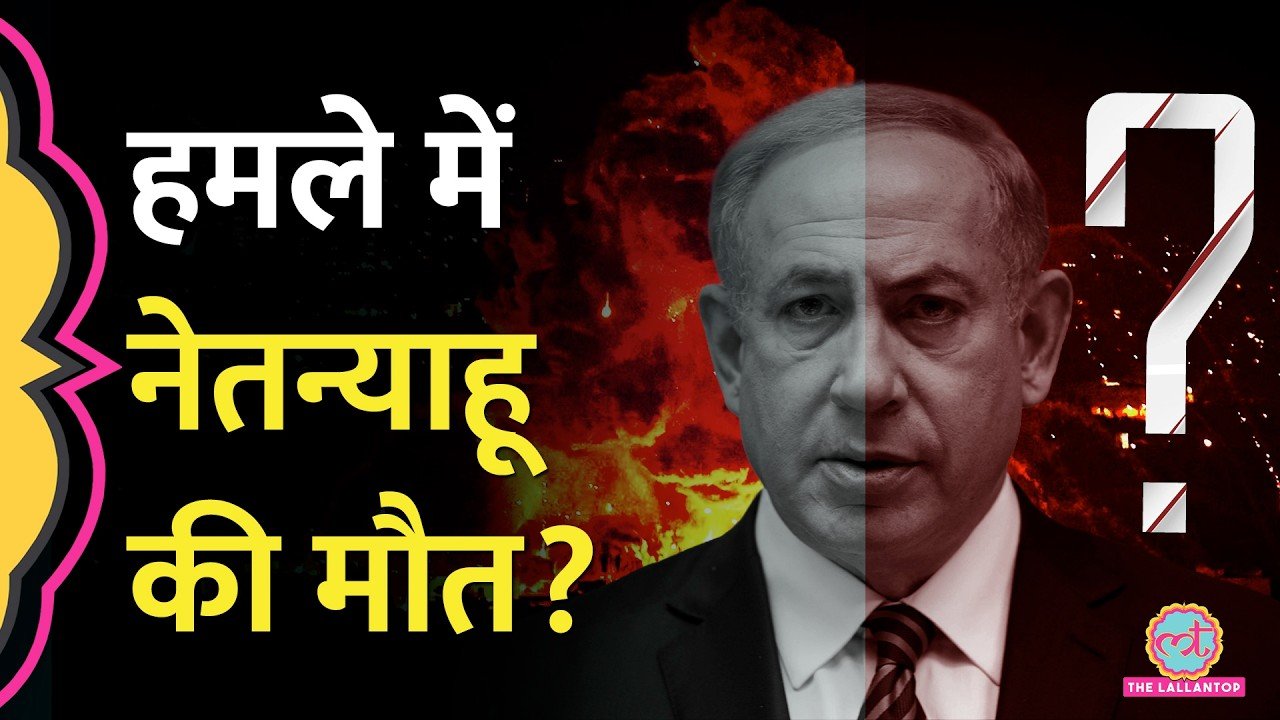
Tensions in the Middle East have escalated dramatically as the conflict between Iran and Israel continues to intensify. In recent days, a wave of rumors and controversial claims spread across social media and some regional outlets suggesting that Israeli Prime Minister Benjamin Netanyahu had been killed in an Iranian attack.
The claims quickly went viral, triggering widespread speculation and confusion across international media and online platforms. However, Israeli officials moved swiftly to deny the reports and clarify the situation. The Israeli Prime Minister’s Office stated clearly that the reports were false and that Netanyahu was alive and safe.
The incident highlights the growing role of misinformation and propaganda in modern conflicts, particularly during periods of high geopolitical tension.
How the Rumors About Netanyahu’s Death Started
The rumors reportedly began circulating after claims emerged that Iranian forces had targeted locations linked to Israeli leadership during ongoing military exchanges between the two countries. Some posts on social media suggested that a missile strike had hit a site associated with Netanyahu or that he had been injured or killed in an attack.
At the same time, a controversial video clip circulating online fueled further speculation. In the video, viewers claimed to notice unusual visual details—such as what appeared to be a sixth finger on Netanyahu’s hand—which led some users to argue the video might have been artificially generated or manipulated using AI technology.
These theories quickly gained traction online, prompting thousands of posts questioning the Israeli leader’s whereabouts and safety.
Israel’s Official Response to the Claims
Israel responded quickly to the rumors. Officials from the Israeli Prime Minister’s Office issued a firm statement dismissing the claims as false and misleading. According to the statement, Netanyahu had not been harmed in any Iranian attack and continued to carry out his duties as prime minister.
Israeli authorities emphasized that the reports were part of a broader wave of misinformation spreading online during the ongoing conflict. Officials warned that such rumors could create unnecessary panic and confusion both within Israel and internationally.
Government representatives also urged the public and media organizations to rely on verified sources rather than unconfirmed social media posts.
Iran’s Position and Escalating Rhetoric
Although Iran did not officially confirm that Netanyahu had been killed, rhetoric from Iranian officials and groups connected to the Iranian military contributed to the speculation. Statements from Iran’s Islamic Revolutionary Guard Corps suggested that they would continue to pursue Israel’s leadership during the conflict.
Some Iranian media outlets also reported claims suggesting that Israeli leadership structures had been targeted during missile strikes. These statements further fueled speculation about the fate of Netanyahu and other senior Israeli officials.
However, independent verification of these claims has not been provided, and Israeli authorities continue to reject them outright.
The Wider Conflict Behind the Rumors
The rumors emerged against the backdrop of a rapidly escalating military confrontation between Iran and Israel. Over the past weeks, both countries have exchanged missile strikes, drone attacks, and military threats.
The conflict intensified after major Israeli and allied military operations targeted Iranian infrastructure and leadership networks. In response, Iran launched missile and drone attacks aimed at Israeli military installations and strategic targets.
The situation has raised serious concerns among international observers who fear the conflict could expand into a wider regional war involving multiple countries and armed groups.
Military analysts say that in such volatile situations, misinformation often spreads quickly as both sides attempt to influence public perception and morale.
Role of Social Media in Spreading False Reports
Experts say that the rapid spread of the Netanyahu death rumors demonstrates how quickly misinformation can circulate during geopolitical crises. Social media platforms played a central role in amplifying unverified claims, often without confirmation from reliable sources.
Videos, edited images, and misleading captions were shared thousands of times before official statements clarified the situation. The involvement of artificial intelligence tools in creating realistic-looking media has further complicated efforts to distinguish real information from fabricated content.
Governments and technology companies have increasingly warned about the dangers of digital misinformation during conflicts, as it can influence public opinion, trigger panic, or escalate tensions.
International Reactions and Concerns
The rumors surrounding Netanyahu’s alleged death also attracted attention from governments and media organizations worldwide. Many outlets began fact-checking the claims after they gained traction online. International analysts emphasized that such reports should always be treated cautiously until confirmed by reliable official sources.
Diplomatic observers also warned that false information about the death of a national leader could have serious consequences for global stability, especially in an already volatile region like the Middle East.
Netanyahu Continues to Lead Israel
Despite the rumors, Israeli officials insist that Benjamin Netanyahu remains fully active in his role as prime minister. Government sources say he continues to oversee Israel’s military and political response to the ongoing conflict with Iran. The Israeli government has also reiterated its determination to continue defending the country against threats while maintaining its strategic objectives in the region.
For now, the claims of Netanyahu’s death appear to be another example of misinformation spreading during wartime tensions. As the conflict between Iran and Israel continues, observers expect both military developments and information battles to remain central elements of the crisis.
Conclusion
The viral claims that Benjamin Netanyahu was killed in an Iranian attack have been firmly denied by Israeli officials. While the rumors spread rapidly across social media and generated global speculation, Israel has stated clearly that the prime minister is alive and continuing his duties. The incident underscores the powerful role of information warfare in modern conflicts. As tensions between Iran and Israel remain high, accurate reporting and responsible information sharing will be essential in preventing confusion and maintaining global stability.