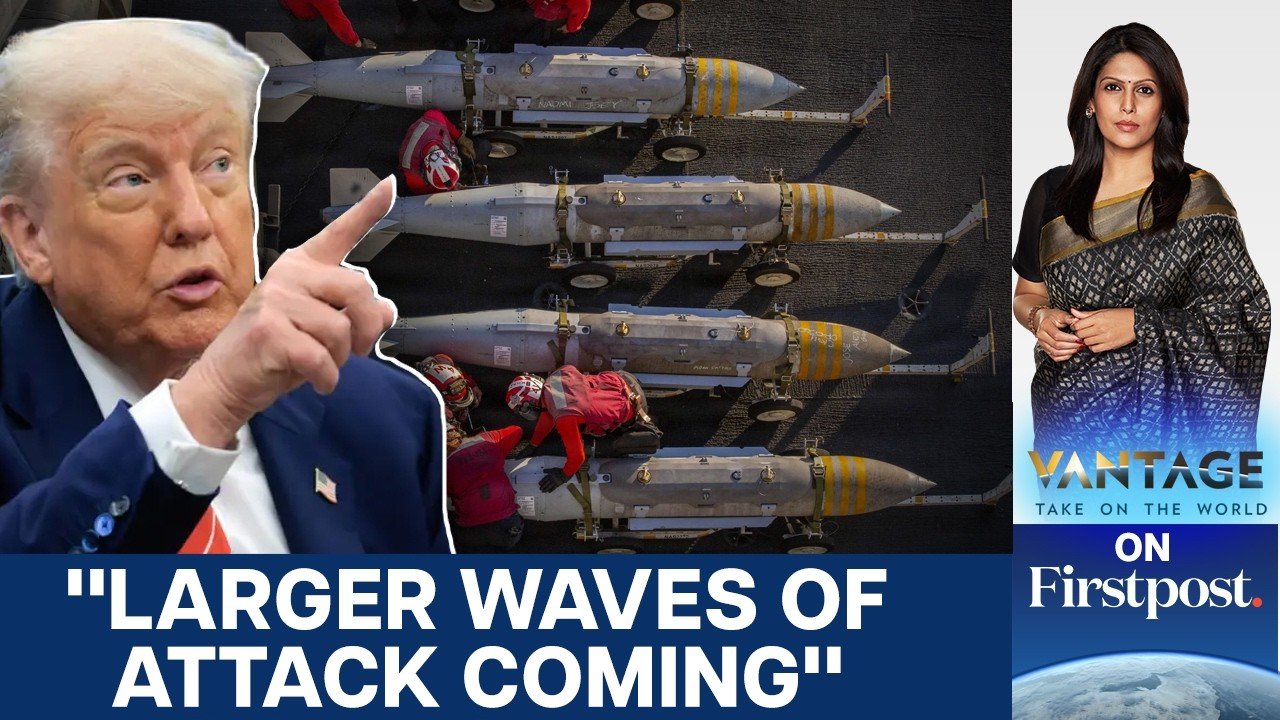
Rising Tensions Between the United States and Iran
The long-running tensions between the United States and Iran have reached a new and dangerous stage after a dramatic naval confrontation in the Indian Ocean. In early March 2026, a United States Navy submarine launched a torpedo attack that sank an Iranian naval vessel, marking a significant escalation in the ongoing conflict between the two nations. The incident has raised global concerns about the possibility of a broader regional war and has intensified already fragile geopolitical tensions.
The attack reportedly occurred in international waters near the southern coast of Sri Lanka. Military officials confirmed that an American attack submarine fired a heavy torpedo at an Iranian warship traveling through the Indian Ocean. The ship was identified as the Iranian Navy frigate IRIS Dena, a modern warship commissioned in 2021 and equipped with advanced radar systems, missiles, and naval weapons.
The Attack That Shocked the World
According to United States defense officials, the submarine fired a Mk-48 heavyweight torpedo that struck the Iranian vessel and caused a massive underwater explosion. The impact was devastating. Within minutes, the warship began to sink, leaving crew members struggling to escape the damaged vessel.
Pentagon officials later confirmed the strike and described it as a decisive military action during the ongoing confrontation with Iran. Defense leaders stated that the warship had been operating in international waters and was considered a legitimate military target under wartime conditions.
The attack is particularly notable because it represents the first time since World War II that a United States submarine has sunk an enemy warship using a torpedo in combat.
Casualties and Rescue Efforts
The sinking of the Iranian warship resulted in significant casualties. Reports indicated that at least 87 sailors were killed during the attack, while dozens of others were missing in the aftermath. Rescue teams from Sri Lanka responded quickly after receiving distress signals from the damaged vessel.
Sri Lankan naval forces launched an emergency search and rescue operation in the area where the ship went down. Several survivors were pulled from the water, though many sailors were believed to have been trapped inside the sinking vessel or lost in the rough sea conditions. The tragedy has added a humanitarian dimension to the already volatile situation, with families in Iran mourning the loss of naval personnel and demanding accountability for the incident.
Dispute Over the Ship’s Mission
Following the attack, a dispute quickly emerged between Washington and Tehran over the role of the Iranian warship at the time it was sunk. Iranian officials claimed that the vessel had been participating in international naval exercises in India and was returning home when it was attacked.
Iran argued that the ship was not engaged in combat operations and therefore should not have been targeted. Iranian government representatives described the strike as an unjustified and aggressive act that violated international norms.
However, the United States rejected these claims. American officials stated that the warship was still a functioning military vessel and therefore a legitimate target in the ongoing conflict. According to U.S. defense sources, the ship was capable of carrying missiles and torpedoes and posed a potential threat to regional security.
This disagreement has fueled diplomatic tensions and triggered debates among military analysts and international law experts.
Expansion of the War Beyond the Middle East
Perhaps the most alarming aspect of the incident is the location where it occurred. Until recently, most military confrontations between the United States, Israel, and Iran had been concentrated in the Middle East, particularly around the Persian Gulf.
The submarine attack in the Indian Ocean indicates that the conflict is spreading far beyond its original battlegrounds. Military analysts say the incident demonstrates that the war now has the potential to affect multiple regions, including critical global shipping routes.
The Indian Ocean is one of the most important maritime corridors in the world. Thousands of cargo ships pass through the region every year, transporting oil, natural gas, and essential goods between Asia, the Middle East, Europe, and Africa. Any military conflict in this area could disrupt global trade and energy supplies.
Strategic Importance of Submarine Warfare
The incident also highlights the increasing importance of submarine warfare in modern naval strategy. Submarines are considered among the most powerful and stealthy weapons in modern militaries. Because they can operate silently underwater, they are capable of striking enemy vessels without warning.
The American submarine involved in the attack reportedly tracked the Iranian warship for hours before launching the torpedo. Once the weapon was fired, the target had very little time to respond.
Military experts say this event demonstrates the devastating effectiveness of modern torpedoes and undersea warfare technology. The Mk-48 torpedo used in the attack is one of the most advanced naval weapons in the world, capable of traveling at high speeds and destroying large warships with a single hit.
International Reactions and Diplomatic Fallout
The sinking of the Iranian warship has sparked strong reactions from governments around the world. Several countries have expressed concern that the conflict could escalate further and draw additional nations into the crisis.
International organizations have also called for restraint and urged both sides to avoid actions that could trigger a wider war. Diplomats warn that incidents like this increase the risk of misunderstandings and miscalculations that could lead to further military confrontations. Meanwhile, global financial markets and energy markets have reacted nervously to the developments. Oil prices have fluctuated as traders worry that continued conflict could disrupt supply routes in the region.
What Could Happen Next
The future of the US-Iran conflict remains uncertain. While the sinking of the Iranian warship represents a major escalation, it is unclear how Iran will respond. Some analysts believe Tehran may attempt retaliatory strikes against U.S. military assets in the region or against allied forces.
Others believe diplomatic efforts could intensify in an attempt to prevent the situation from spiraling into a full-scale regional war. International mediators may attempt to bring both sides to the negotiating table to reduce tensions. However, with both countries maintaining strong military positions and political rhetoric escalating, the path toward de-escalation remains difficult.
Conclusion
The sinking of an Iranian warship by a United States submarine marks one of the most dramatic naval incidents in recent years. The attack not only resulted in significant loss of life but also signaled a dangerous expansion of the US-Iran conflict beyond the Middle East.
As global leaders watch the situation closely, the world now faces a critical question: whether this event will remain an isolated military strike or become the beginning of a much larger confrontation. The coming weeks will likely determine whether diplomacy can prevent further escalation or whether the conflict will continue to spread across international waters.