Introduction
The ongoing conflict in the Middle East has entered a dangerous new phase as tensions between Iran and the United States continue to escalate. What began as a series of targeted strikes has now evolved into a wider regional confrontation involving several countries across the Persian Gulf. Amid this volatile situation, China’s growing involvement—both diplomatically and strategically—has added another layer of complexity to an already fragile geopolitical landscape. The conflict intensified after the United States and Israel launched military strikes on Iran in late February 2026, triggering retaliatory attacks from Tehran across multiple Gulf nations. Iran responded with missile and drone strikes targeting American military bases and allied facilities throughout the region. These developments have raised fears that the conflict could spiral into a much broader international crisis.
Background of the Iran–US Escalation
The current war traces its roots to the breakdown of negotiations between Iran and Western powers earlier in 2026. Following the collapse of diplomatic talks, the United States and Israel carried out coordinated airstrikes against Iranian military infrastructure. These attacks were aimed at weakening Iran’s strategic capabilities and preventing further regional influence.
However, the strikes provoked an immediate and forceful response from Tehran. Iran launched waves of missiles and drones targeting US military positions and allied bases across the Gulf. The attacks have hit several countries that host American forces, including Qatar, Kuwait, Bahrain, and the United Arab Emirates. The scale of these retaliatory strikes has demonstrated Iran’s ability to project power beyond its borders and threaten key US installations in the region.
Since the start of the conflict, multiple missile barrages and drone strikes have targeted American assets and allied facilities. Iranian operations have included attacks on radar systems and missile defense infrastructure, which are essential for protecting US and allied forces from incoming threats. These strikes have highlighted vulnerabilities in the region’s defense networks and raised concerns among Western military planners.
Iran’s Expanding Military Response
Iran’s strategy has focused on asymmetrical warfare, using large numbers of drones and missiles to overwhelm defense systems. In several instances, Iranian attacks have targeted key installations that support American missile defense operations. By hitting radar and communications infrastructure, Tehran aims to weaken the ability of the United States and its allies to detect and intercept incoming threats.
Some of the attacks have been directed at high-profile military facilities. For example, radar sites connected to missile defense systems in countries such as Qatar and Jordan have reportedly been struck by Iranian drones. These strikes have disrupted parts of the defensive network that protects US troops and allied forces stationed across the Gulf.
Iran has also expanded its operations to include attacks on energy infrastructure and maritime targets. The Strait of Hormuz, one of the world’s most critical shipping lanes, has become a focal point of the conflict. The waterway carries a significant portion of global oil exports, and any disruption to shipping there has immediate consequences for global markets.
Since the conflict began, shipping traffic in the strait has been severely disrupted as Iran issued warnings to vessels and conducted military operations in the area. The situation has heightened fears of a global energy crisis if the waterway remains blocked or unsafe for commercial shipping.
Rising Tensions Across the Gulf
The impact of the conflict has spread across multiple countries in the region. Iran’s retaliatory strikes have reached beyond US bases to affect civilian infrastructure and strategic facilities in neighboring states. Several Gulf countries have reported missile interceptions and drone attacks targeting airports, ports, and other important installations.
In the United Arab Emirates, hundreds of drones and missiles have reportedly been launched toward US bases and military facilities. Although many were intercepted by air defenses, falling debris caused damage in populated areas and injured civilians. Similar incidents have occurred in other Gulf nations hosting American troops.
Kuwait has also been caught in the crossfire, with Iranian missile attacks targeting sites linked to American military operations. These attacks demonstrate the regional scale of the conflict and the risks faced by countries that host US forces. The expansion of the battlefield beyond Iran’s borders has increased the possibility of a broader Middle Eastern war.
China’s Strategic Entry Into the Crisis
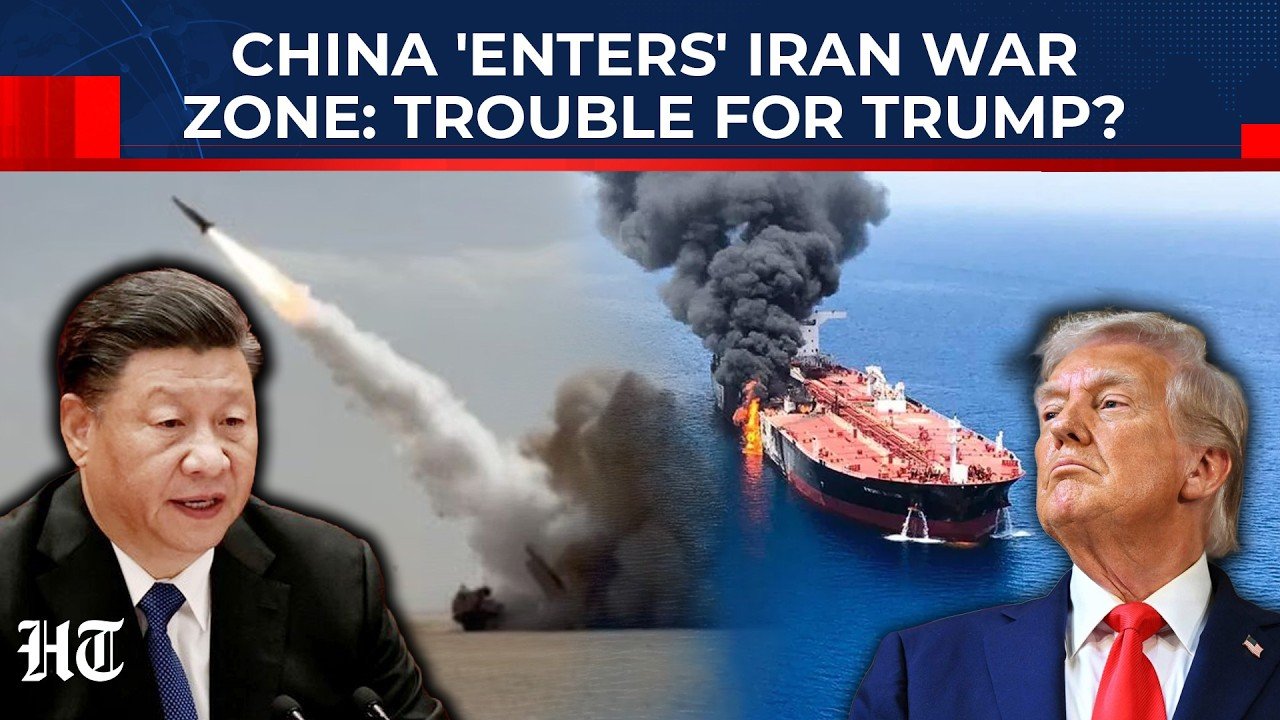
While China has not directly entered the conflict militarily, its growing presence and diplomatic engagement have drawn significant attention. Beijing has strong economic and strategic ties with Iran, particularly in the energy sector, and relies heavily on oil shipments from the Middle East.
Chinese officials have criticized the escalation of military action in the region and called for diplomatic solutions to the crisis. China’s foreign ministry has stated that the war should never have occurred and urged ll sides to avoid further destabilizing actions.
At the same time, China has been increasing its involvement through diplomatic talks with regional leaders. Chinese officials have reportedly engaged in discussions with Iran and other countries in an effort to protect vital energy routes and prevent disruptions to global trade.
This balancing act reflects China’s broader strategy in the Middle East. Beijing maintains strong relations with Iran but also has significant economic partnerships with Gulf states such as Saudi Arabia, the United Arab Emirates, and Qatar. As a result, China is attempting to navigate a delicate path between competing regional interests.
Challenges for the United States and Donald Trump
The evolving situation presents a significant challenge for the United States and for former president Donald Trump, who remains a central political figure associated with the confrontation with Iran. The growing scale of the conflict has raised questions about Washington’s strategy in the region and whether the United States can contain the crisis without triggering a wider war.
Iran’s continued attacks on US forces and infrastructure have demonstrated that Tehran is prepared to respond aggressively to military pressure. The ability of Iranian forces to strike targets across the Gulf has complicated American efforts to maintain stability in the region.
The involvement of China further complicates the geopolitical picture. Although Beijing has not taken direct military action, its diplomatic engagement and strategic positioning could shift the balance of influence in the Middle East. China’s growing role as a mediator and economic partner may challenge traditional US dominance in the region.
Global Economic and Security Implications
Beyond the immediate military confrontation, the conflict has serious implications for the global economy. The Middle East remains a critical source of oil and natural gas, and any disruption to supply routes can trigger sharp increases in energy prices.
The Strait of Hormuz is particularly important in this regard. A significant share of the world’s oil exports passes through this narrow waterway each day. Any prolonged closure or military confrontation in the area could have far-reaching consequences for global markets.
Energy-importing nations in Asia and Europe are closely monitoring the situation, as higher oil prices could lead to inflation and economic instability. Countries such as China, India, and Japan depend heavily on Middle Eastern energy supplies, making the security of shipping routes a top priority.
The Risk of a Wider International Conflict
Perhaps the most concerning aspect of the current crisis is the possibility that it could expand into a broader international conflict. With multiple global powers involved either directly or indirectly, the risk of escalation remains high.
Regional actors, including Gulf states and Israel, are deeply invested in the outcome of the conflict. At the same time, major powers such as China and Russia are watching closely and could play influential roles in shaping the diplomatic response. The situation highlights the fragile balance of power in the Middle East and the potential consequences of military escalation in such a strategically important region.
Conclusion
The war involving Iran, the United States, and their regional allies has entered a dangerous stage marked by retaliatory strikes, disrupted energy routes, and growing international involvement. Iran’s attacks on US forces across the Gulf have demonstrated the reach of its military capabilities, while China’s increasing diplomatic engagement has introduced a new dimension to the crisis.
As tensions continue to rise, the world faces the possibility of a prolonged conflict that could reshape the geopolitical landscape of the Middle East. Whether through diplomacy or further confrontation, the decisions made by global leaders in the coming weeks will likely determine the future course of this rapidly escalating crisis.